
Plantinformation
HOME OF PROVEN WINNERS®
Plant Information
Graceful Grasses® Fireworks
Pennisetum
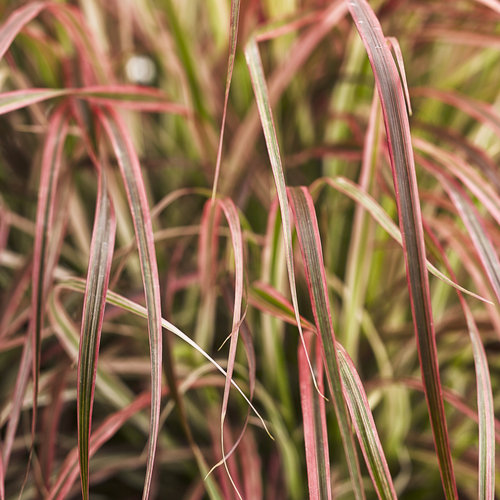
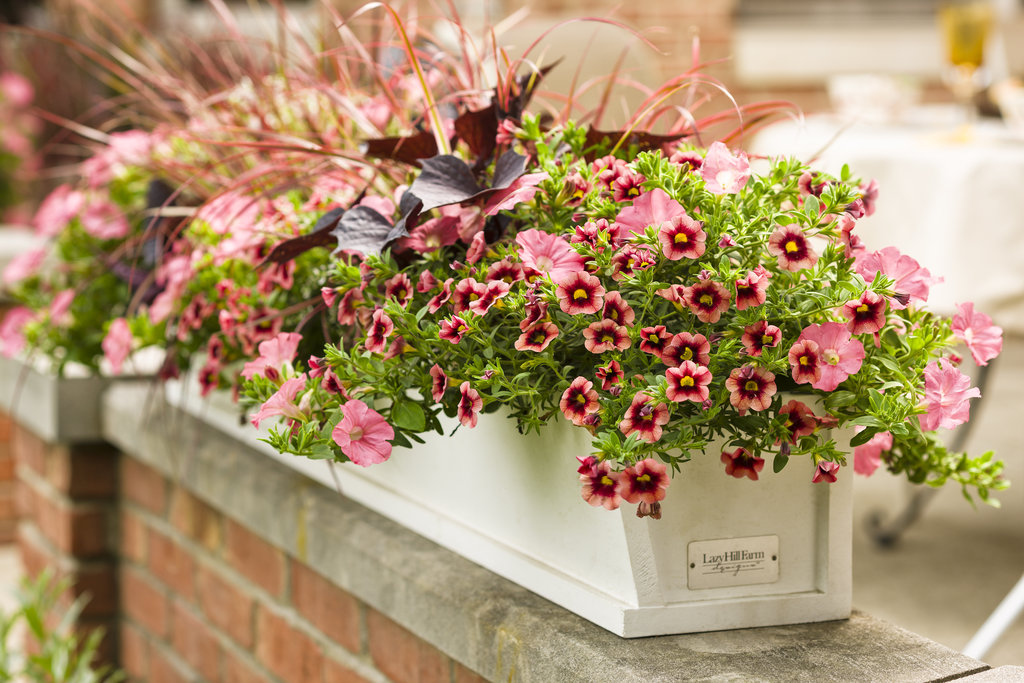
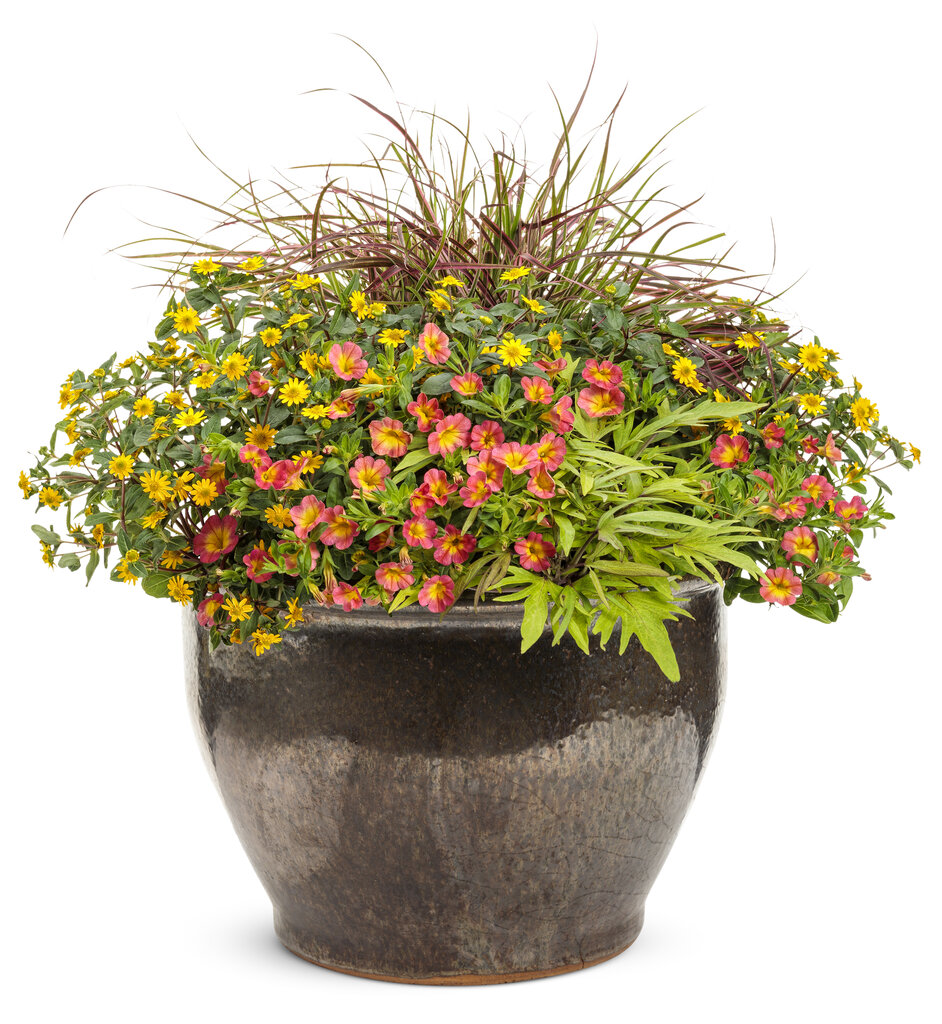
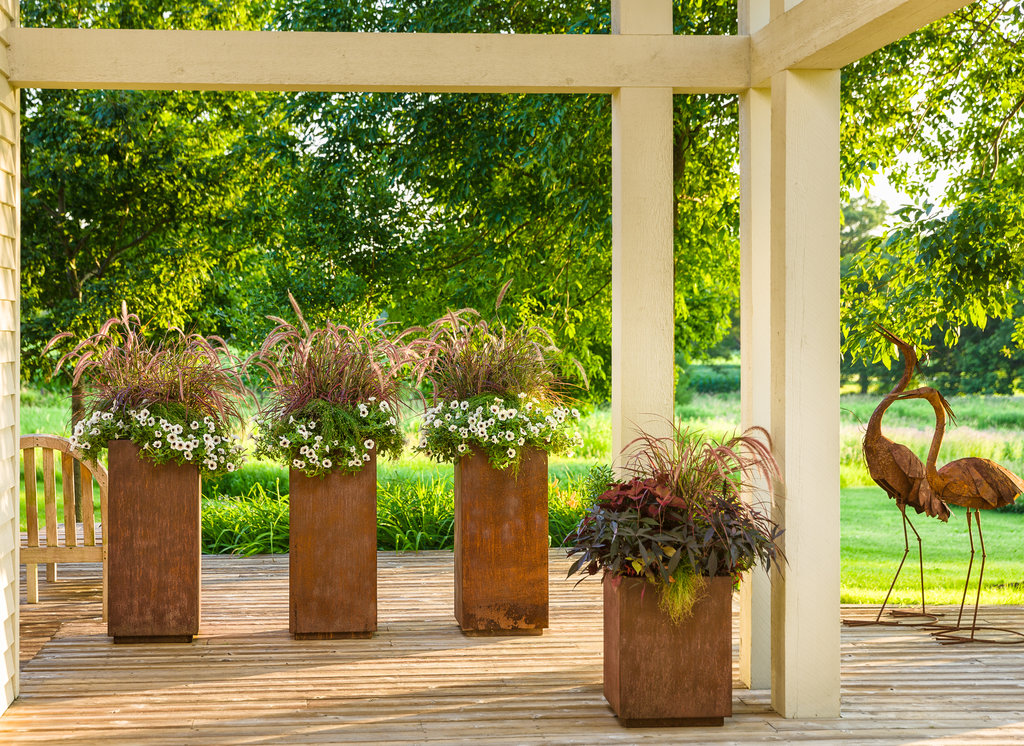
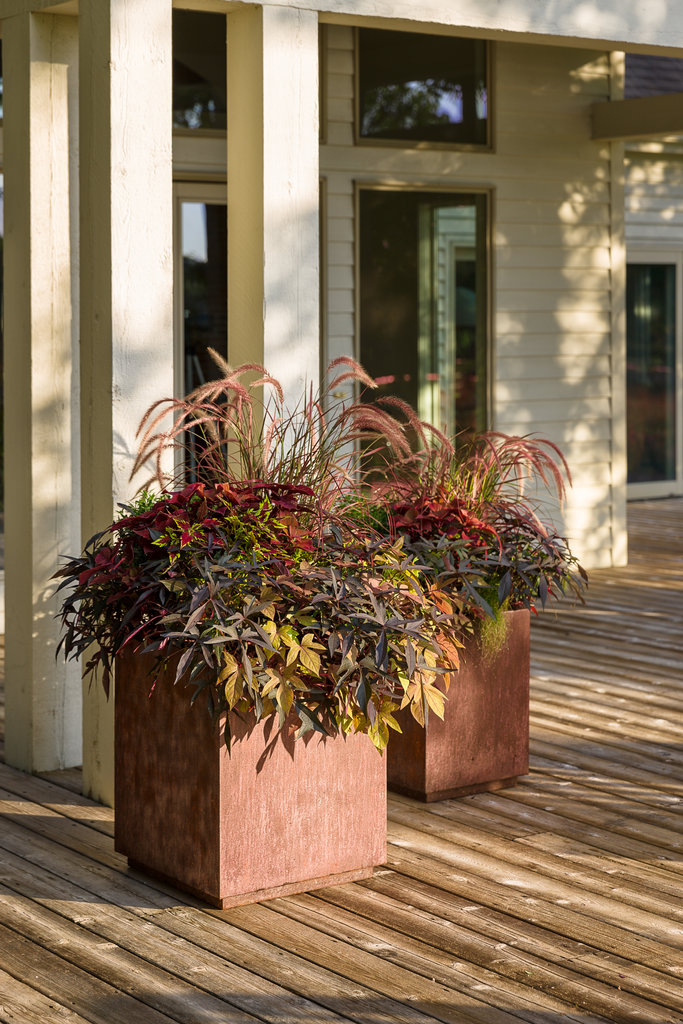
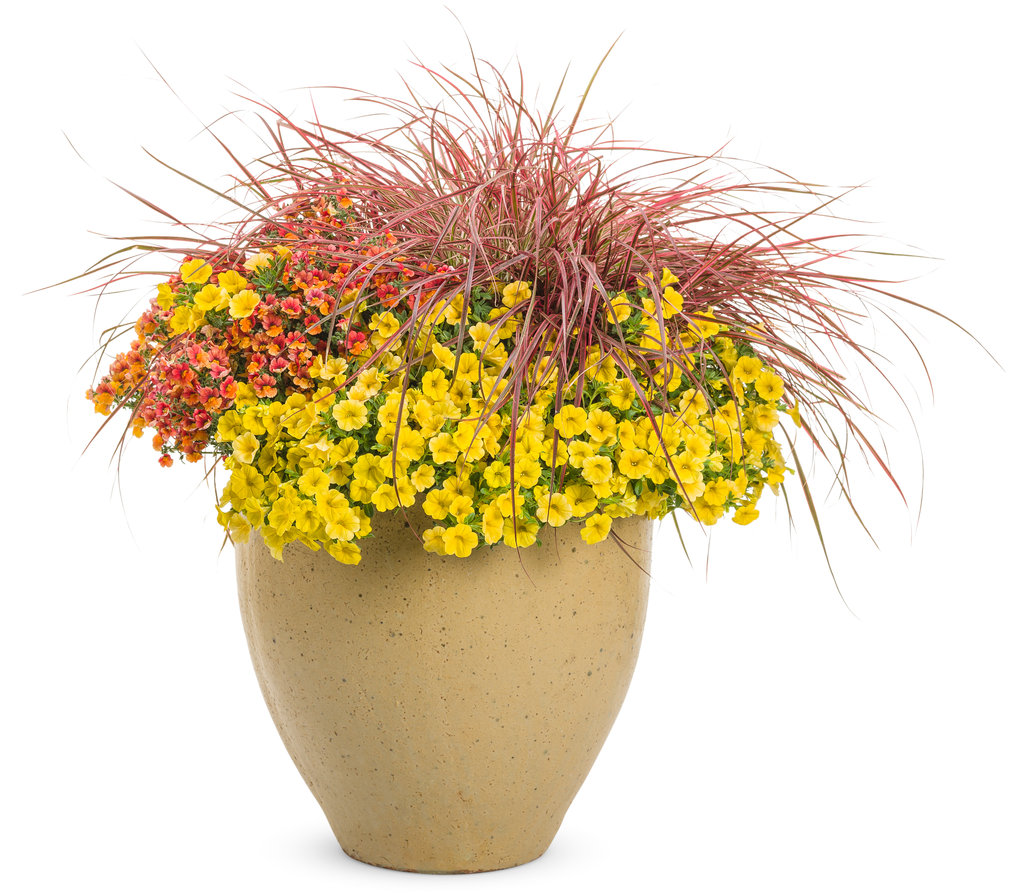
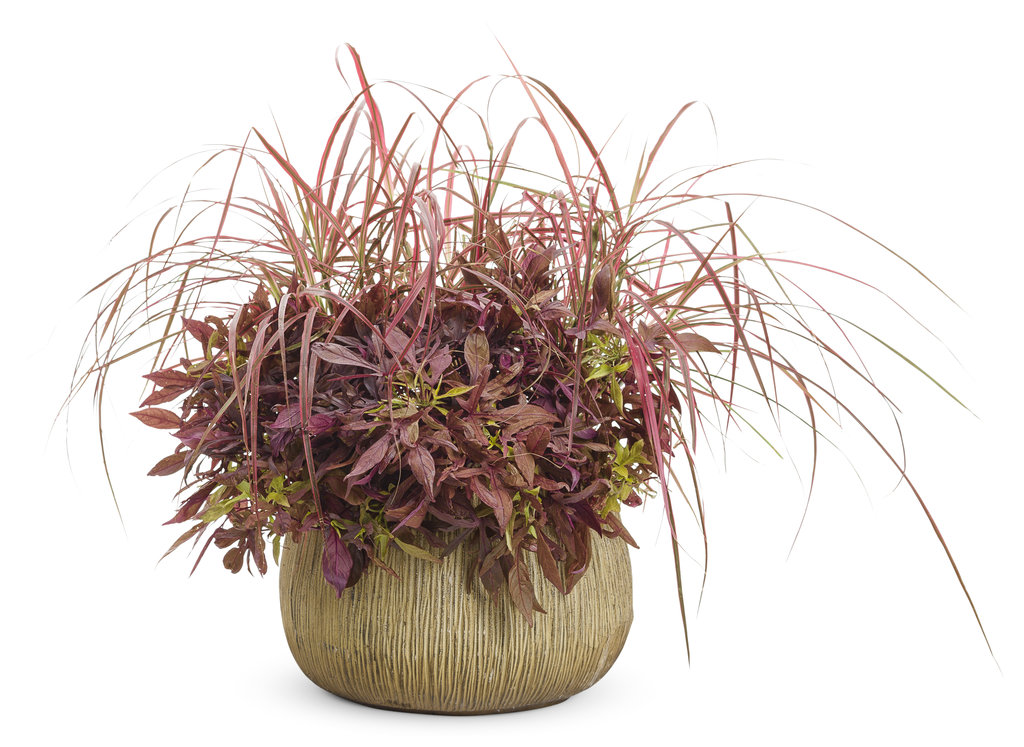
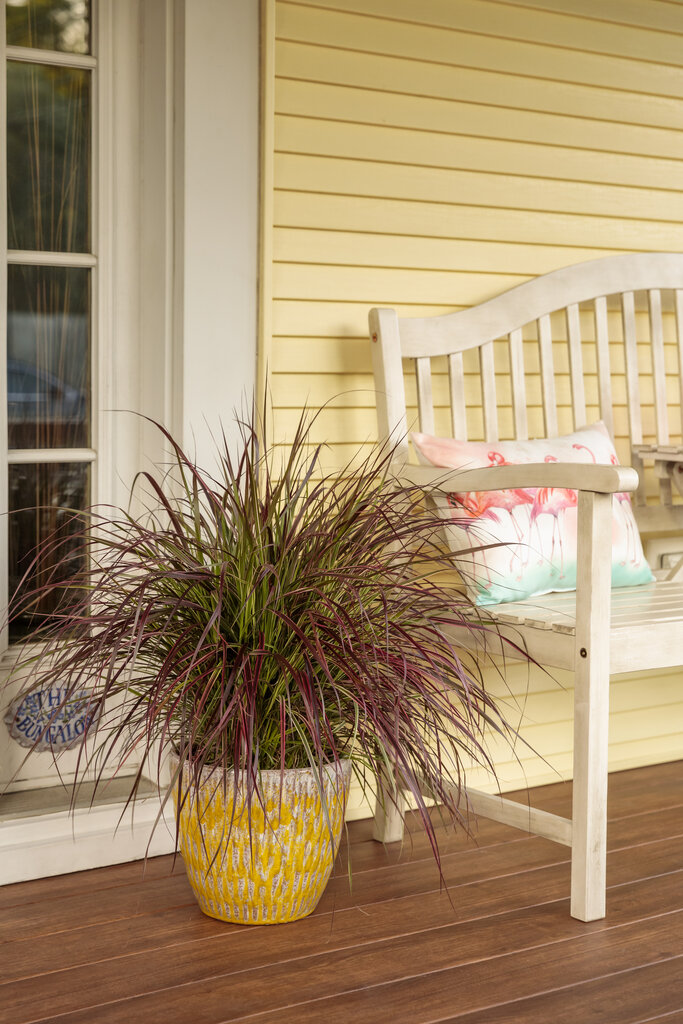
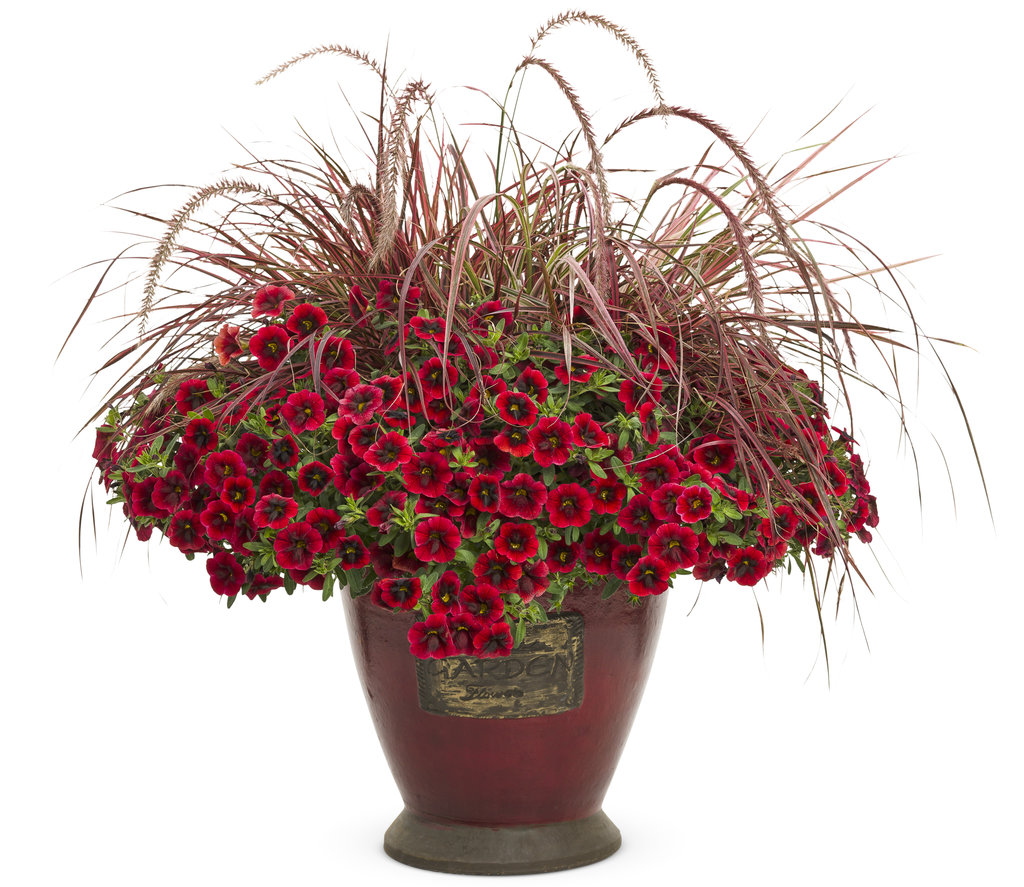
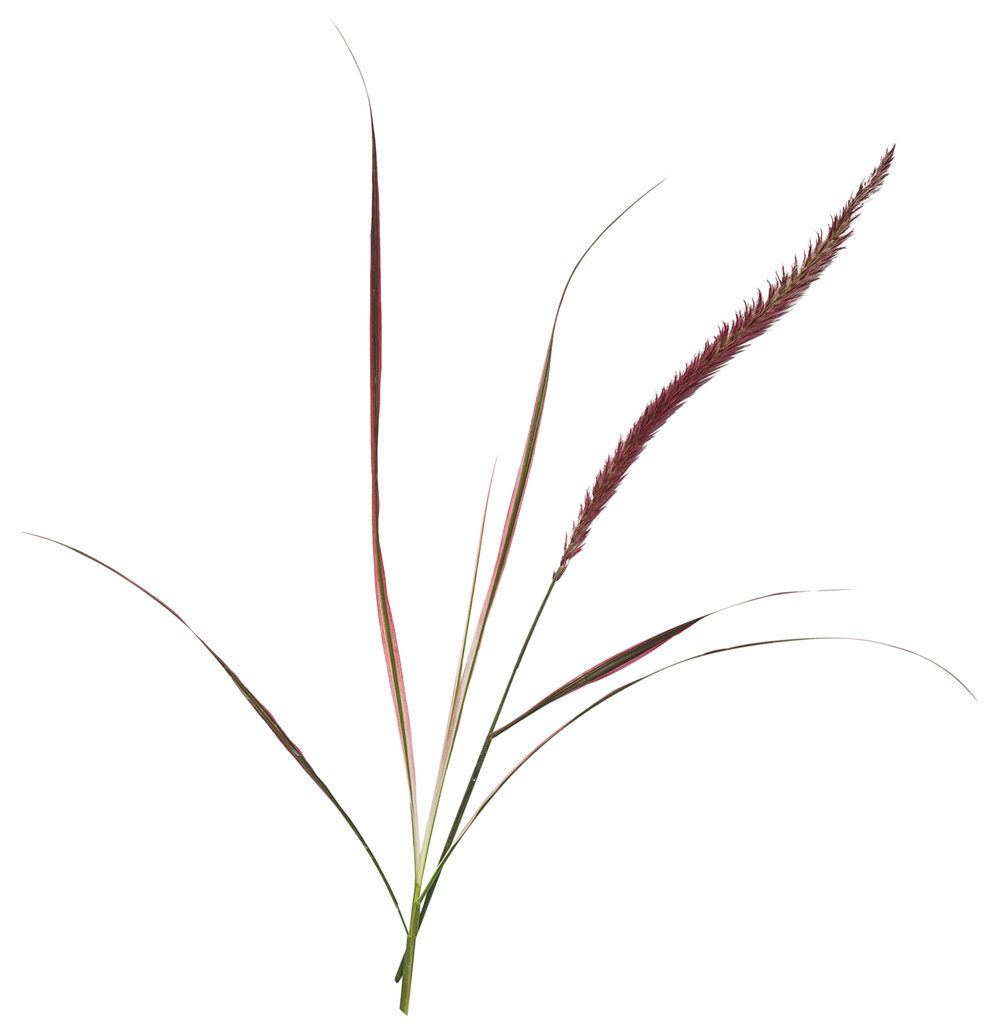
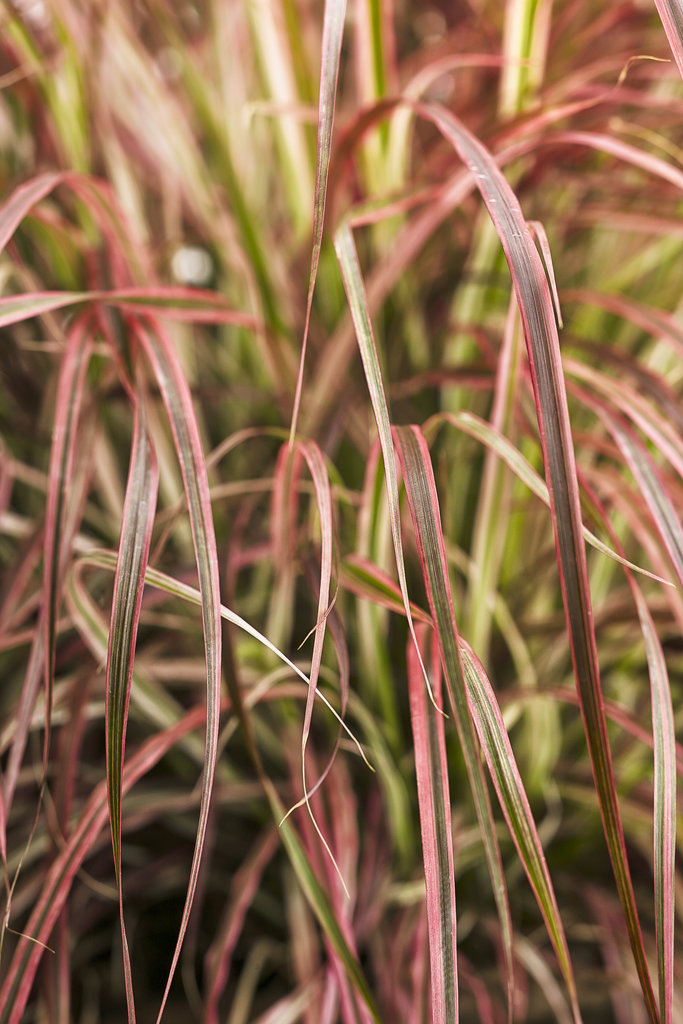
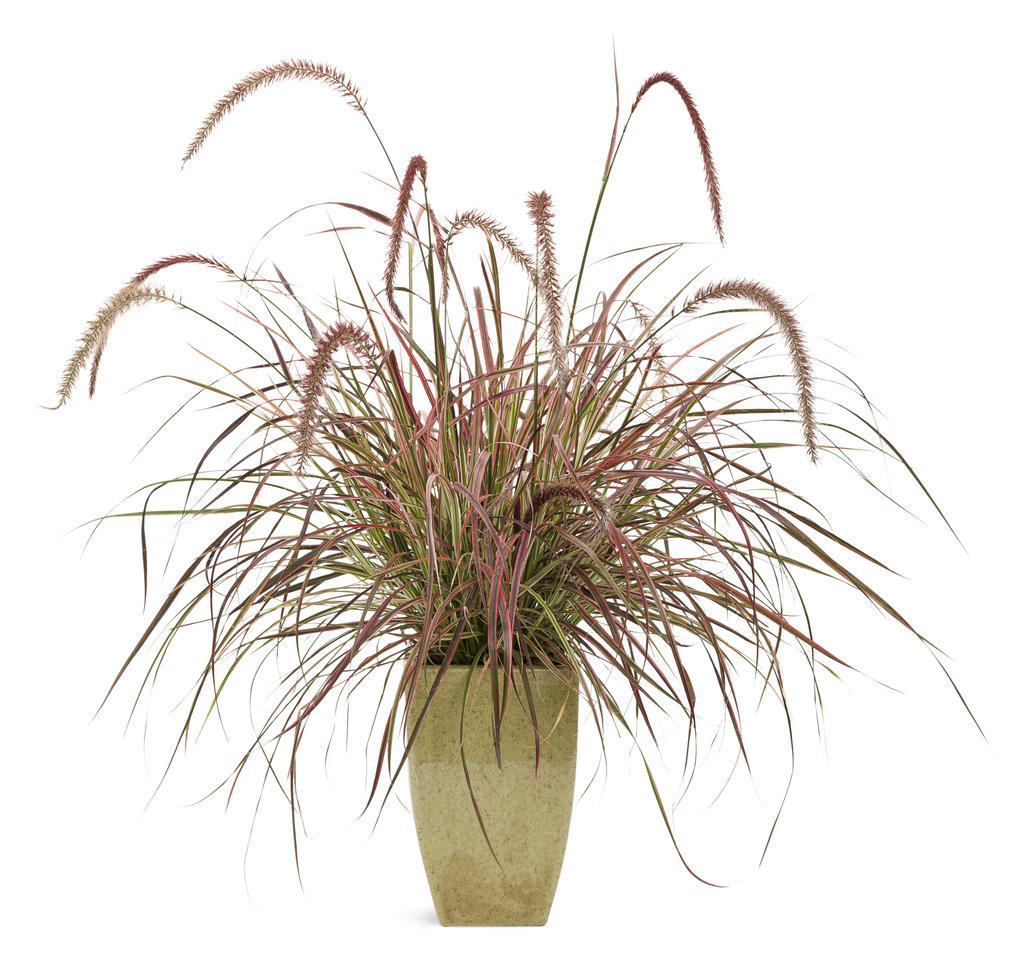
A beautiful variegated red fountain grass with colorful green and pink leaves. This award-winning plant is heat tolerant and is great in flower beds, along walkways, and on patios. No deadheading is necessary.
| Blossom Color | Pink |
| Bloom Season | Spring, Summer |
| Exposure | Sun |
| Height | 24-30 in |
| Width | 18-24 in |
| Spacing | 24-30 in |
| Container Sizes | Quart, Royale |
| Hardiness Zones | 9, 10, 11 |
| Wildlife Attracted | No Wildlife Attracted |
| Wildlife Deterred | No Wildlife Deterred |
| Features | A beautiful variegated red fountain grass with colorful green and pink leaves. This award-winning plant is heat tolerant and is great in flower beds, along walkways, and on patios. No deadheading is necessary. |
| Available Seasons | Fall |
| Adaptable as a Houseplant | No |
| Bog Plant | No |
| Is Disease Resistant | No |
| Drought Tolerant | No |
| Edible | No |
| Erosion Control | No |
| Fragrant Flower | No |
| Fragrant Foilage | No |
| Heat Tolerant | Yes |
| Native to North America | No |
| Salt Tolerant | No |
| Succulent | No |
| Water Plant | No |
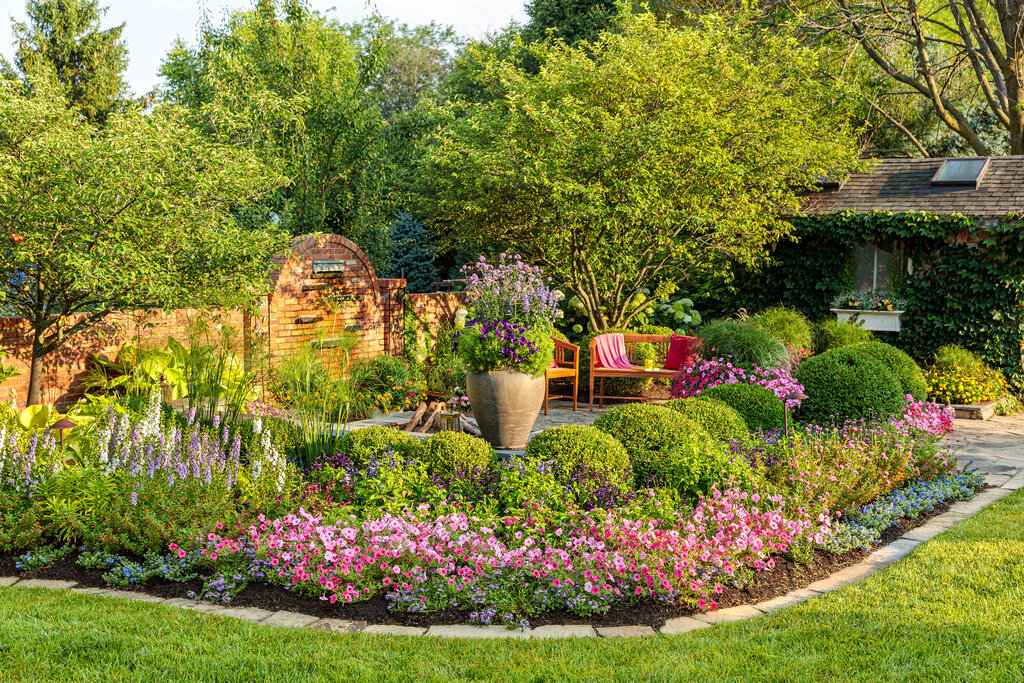
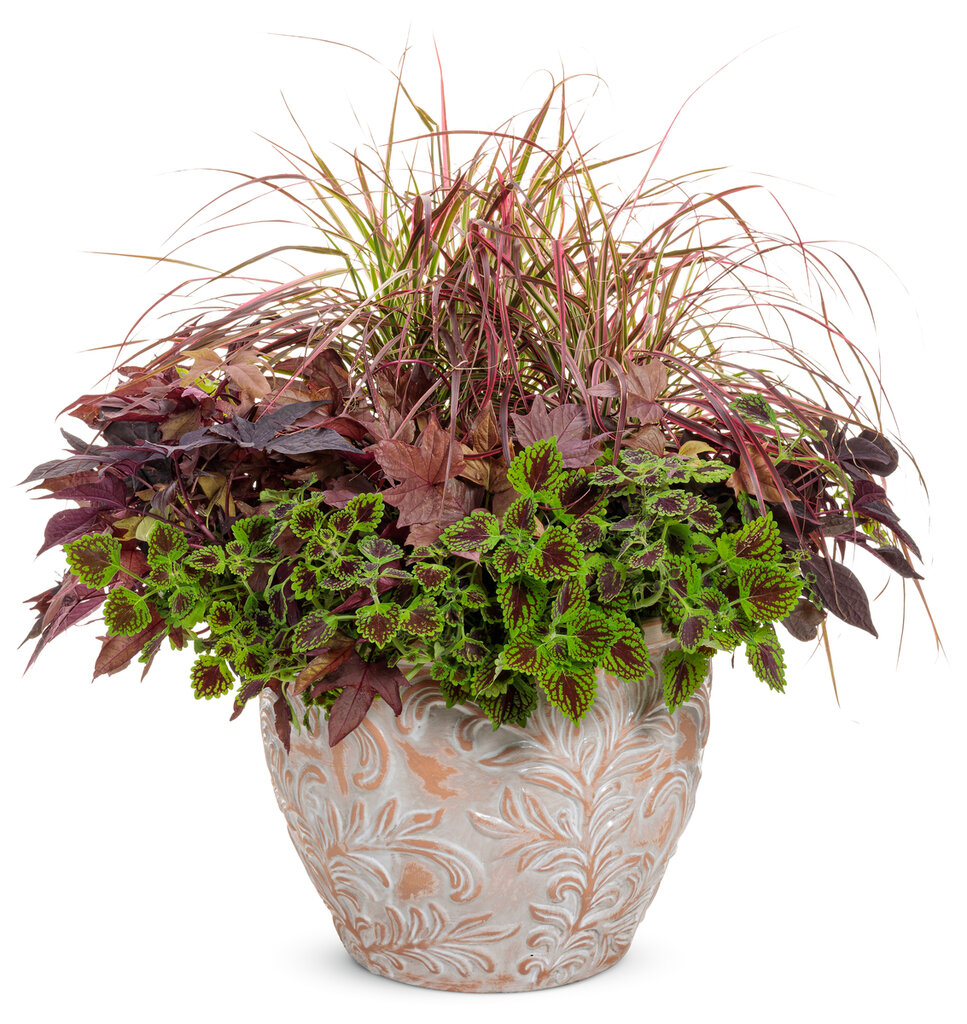
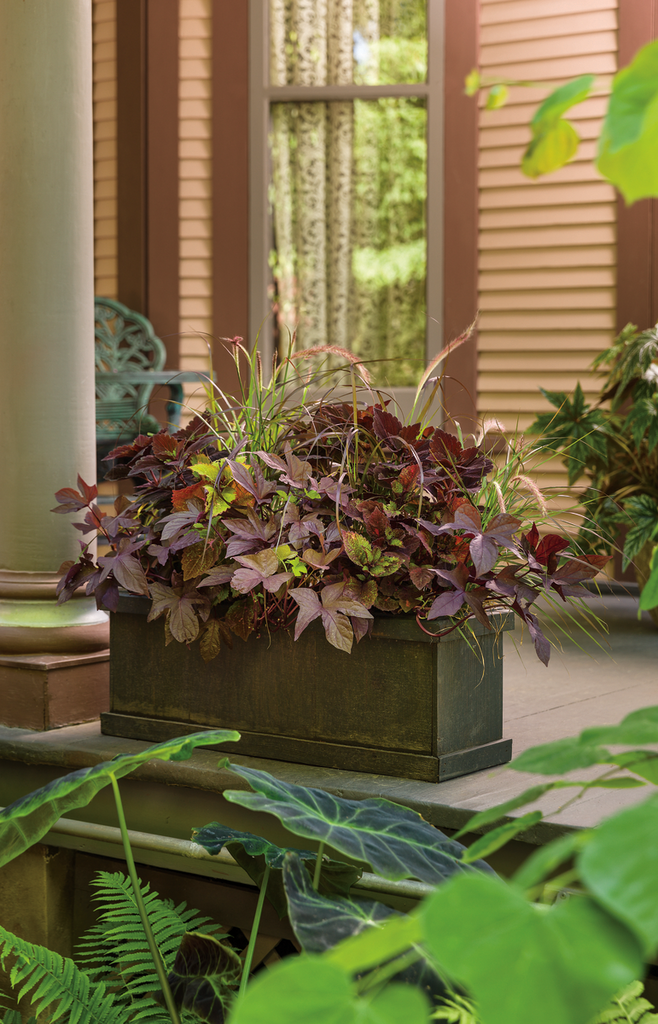






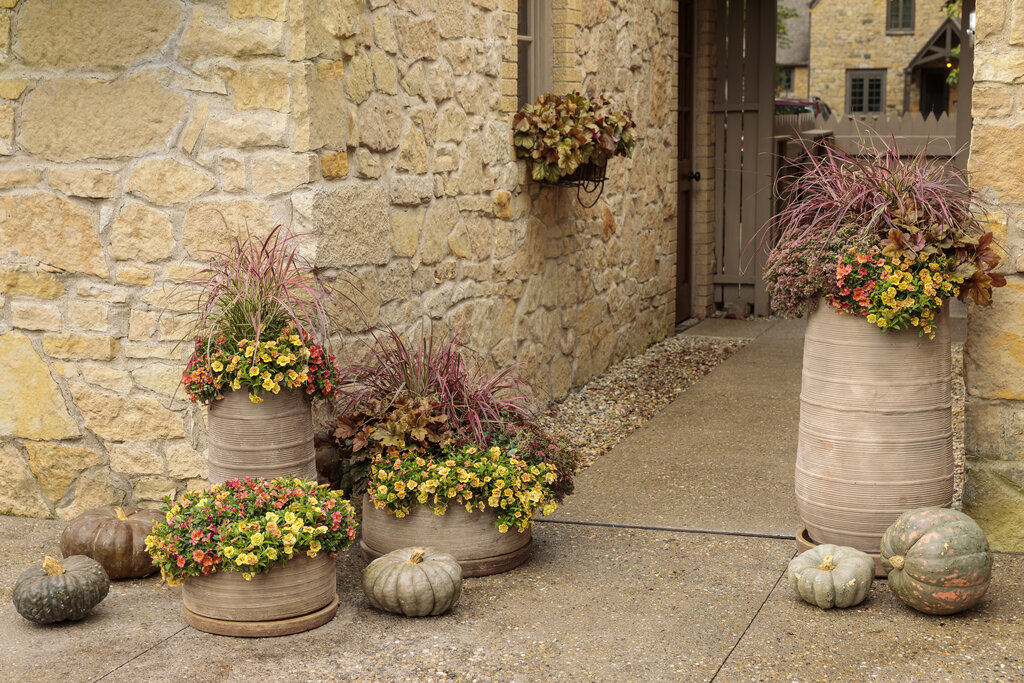
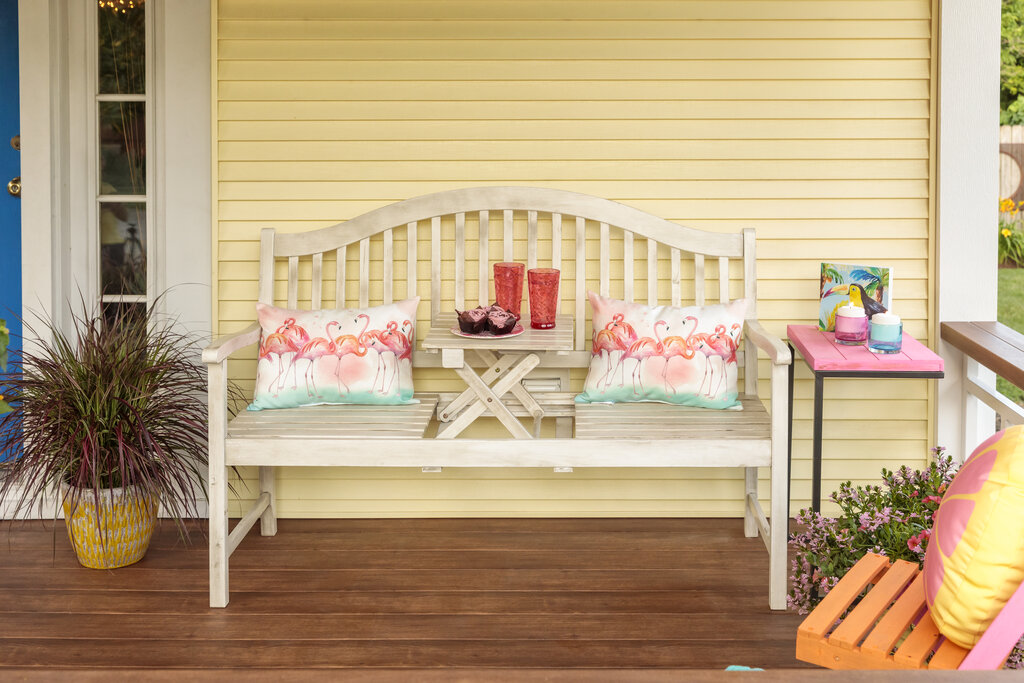
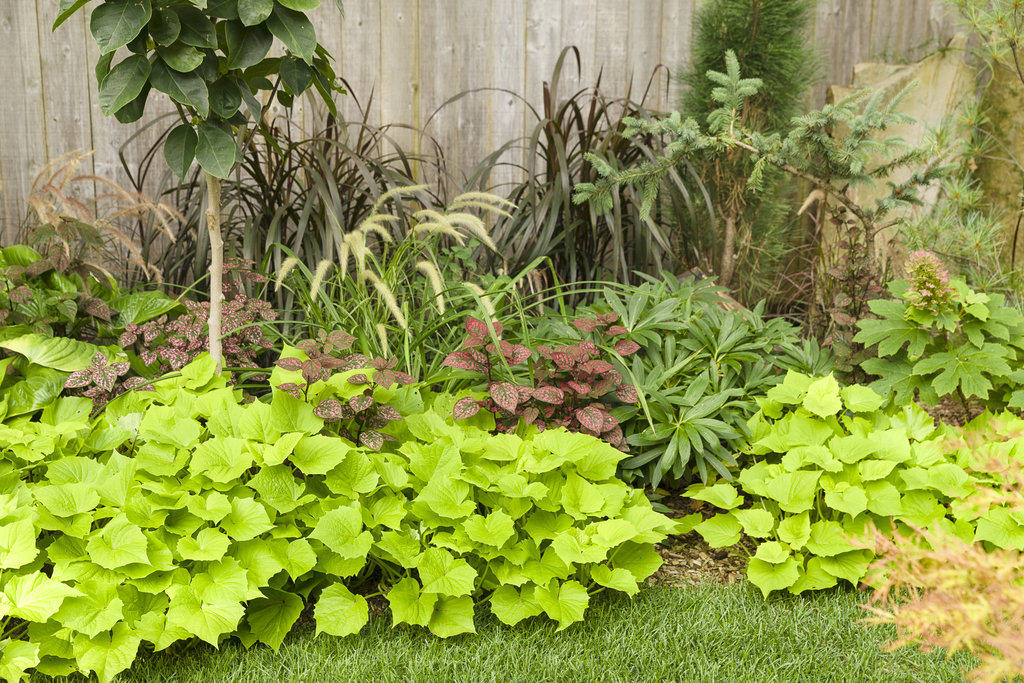
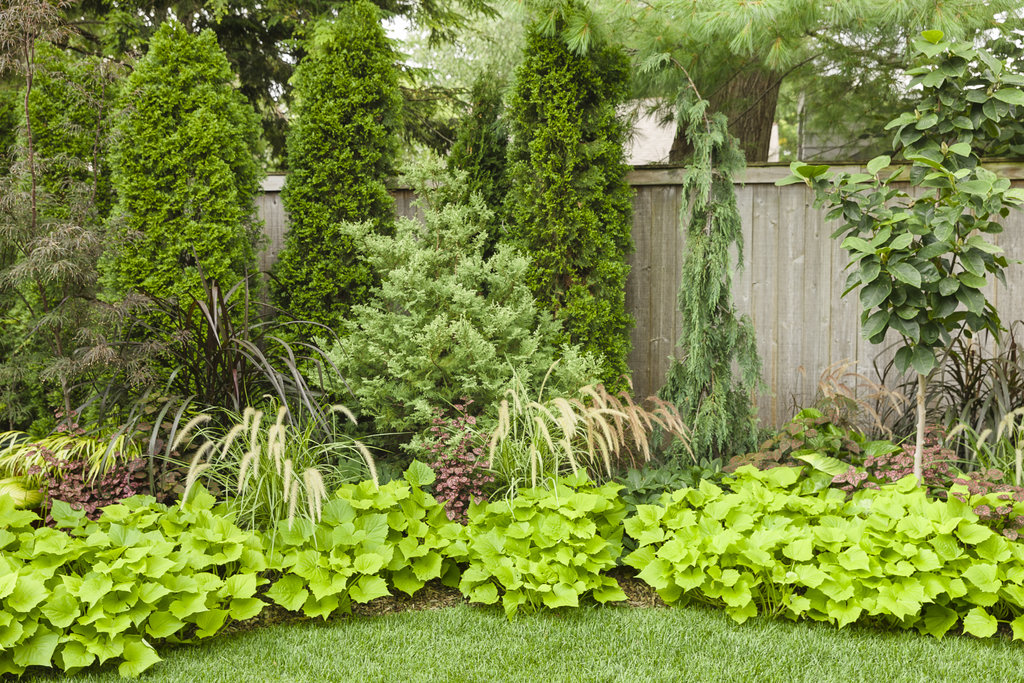
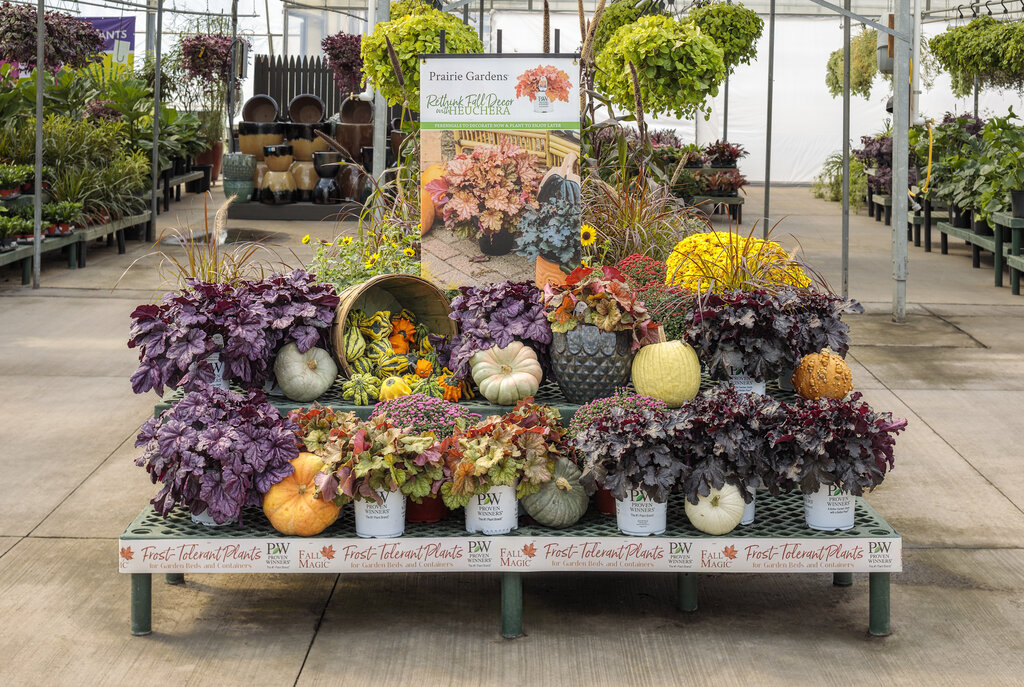

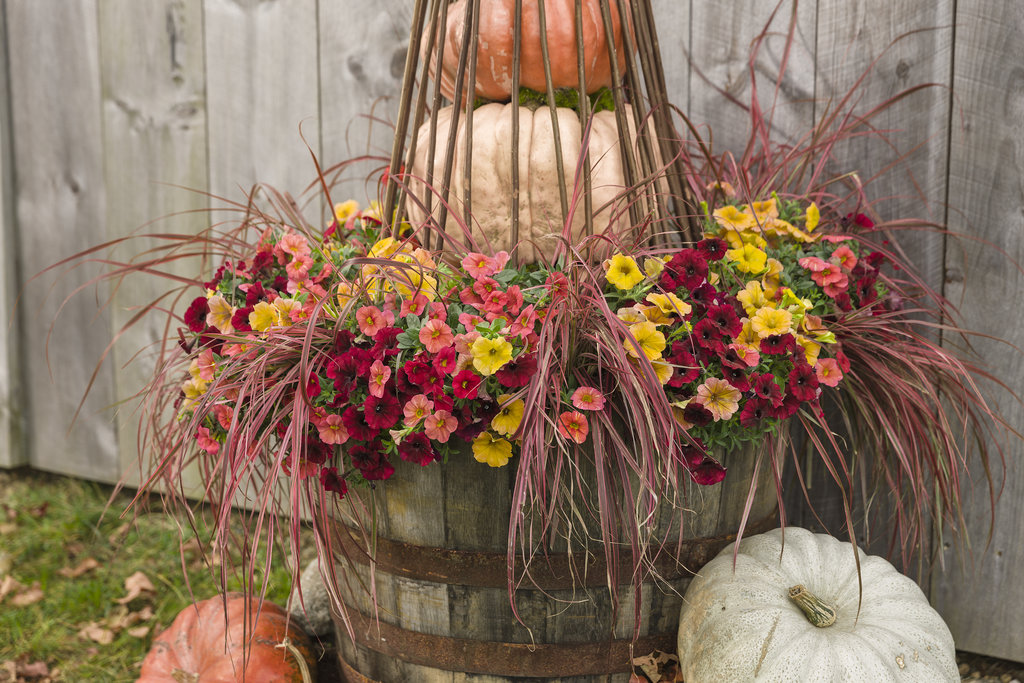

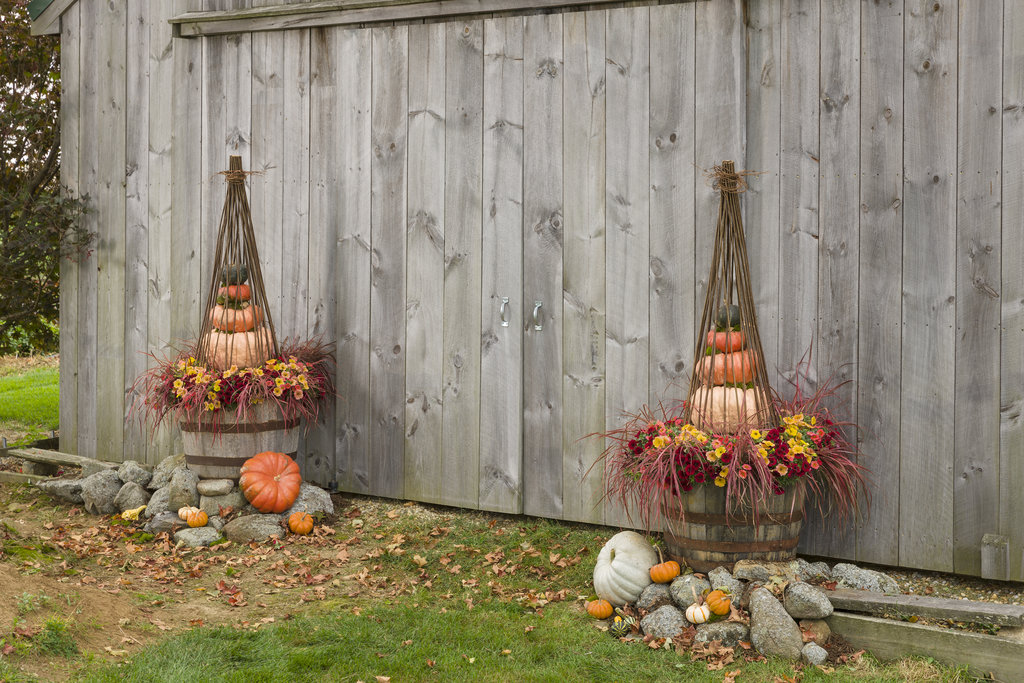
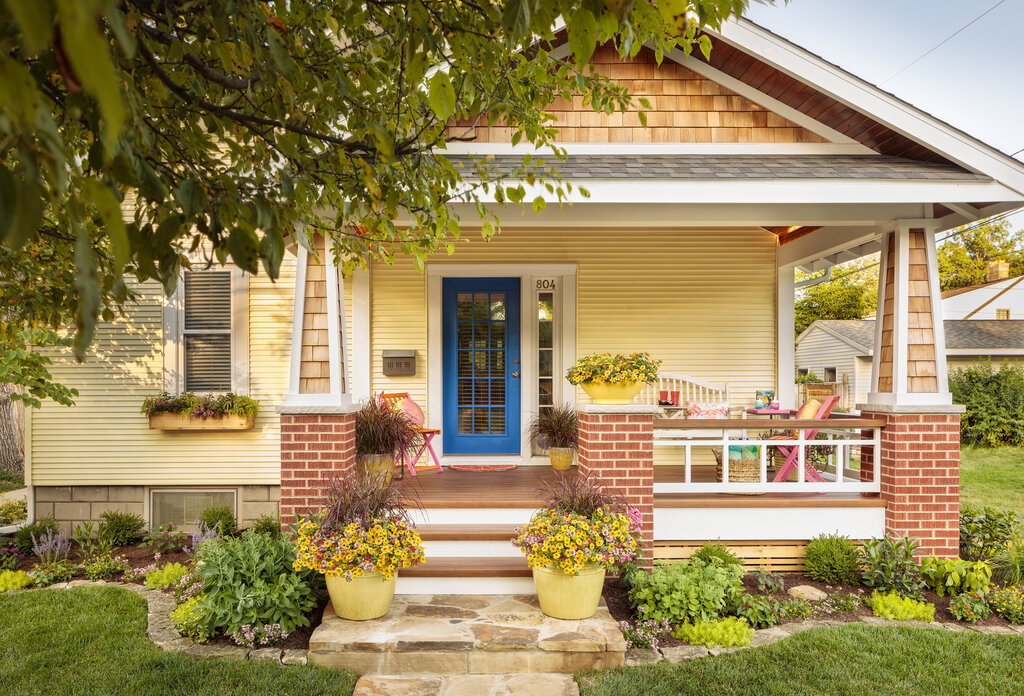







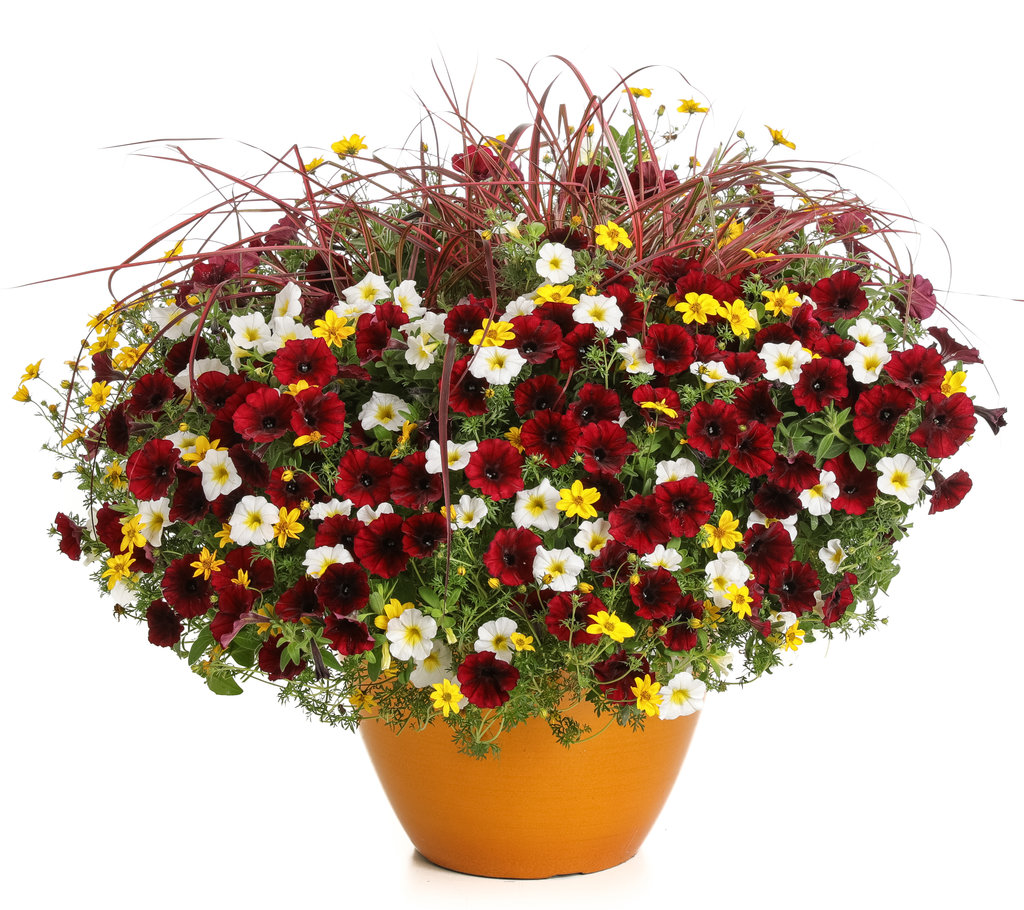
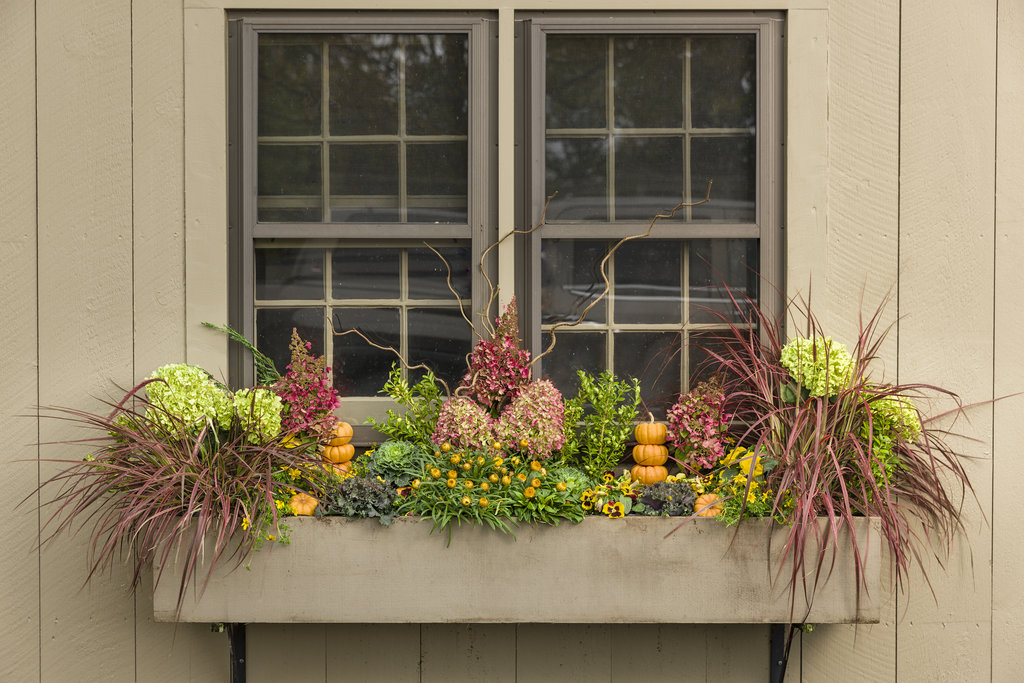
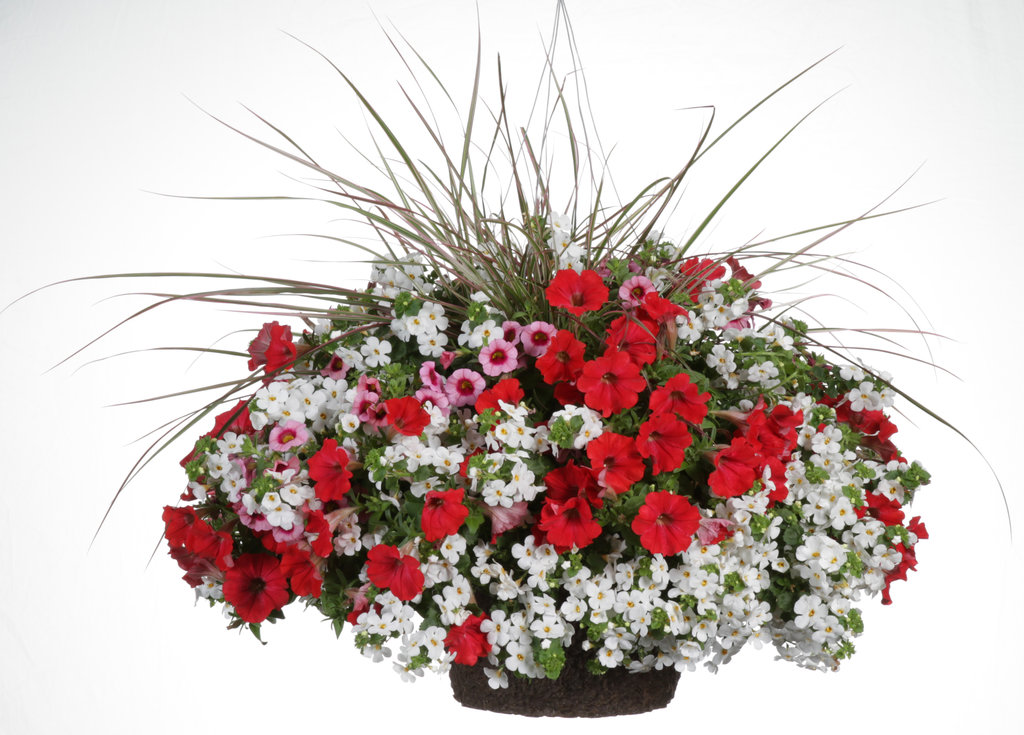
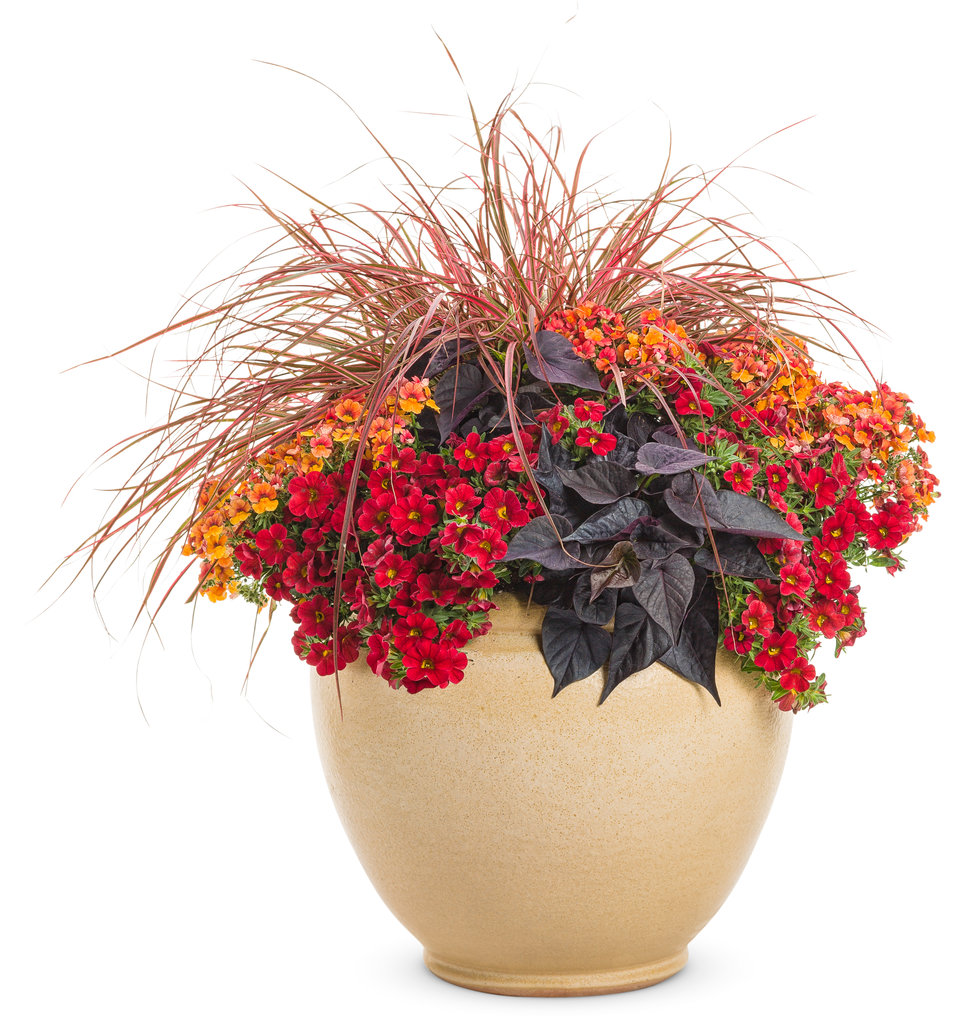
| Uses |
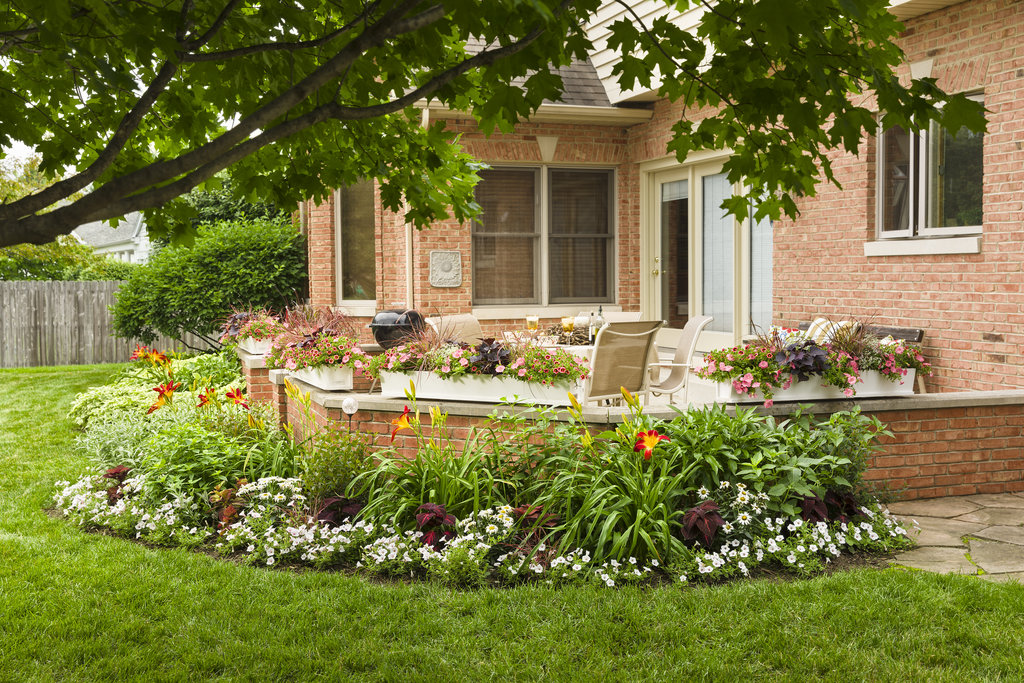
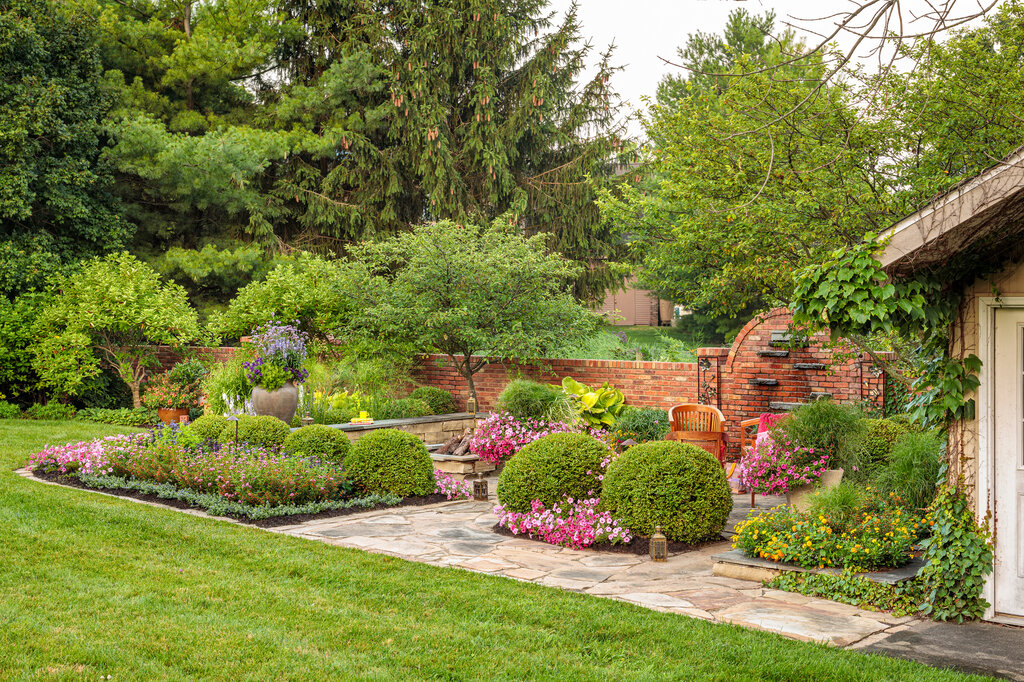
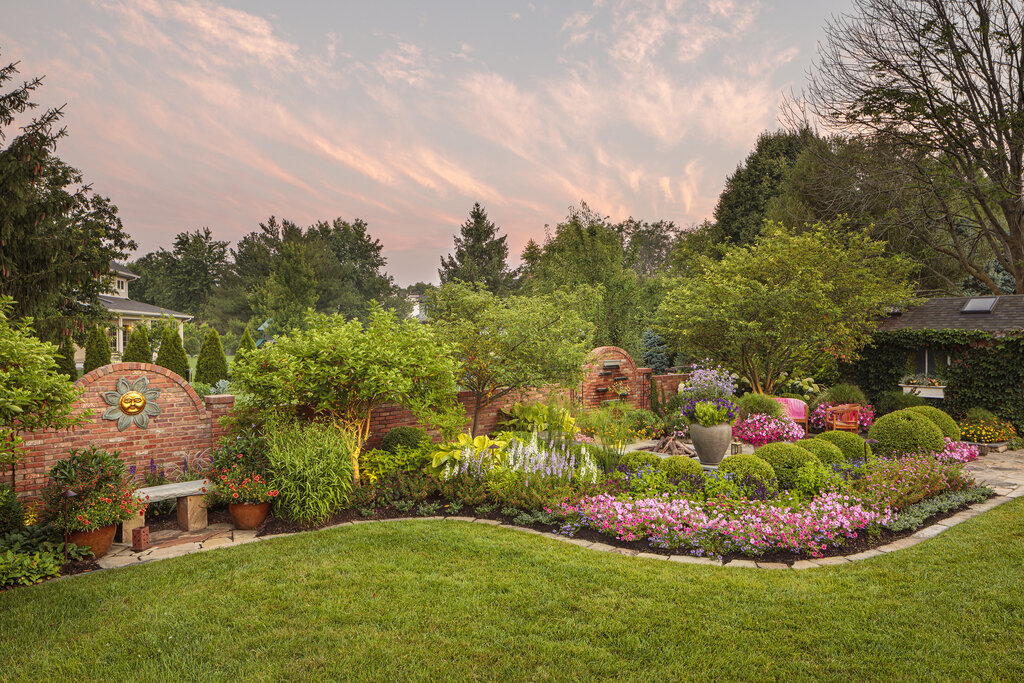
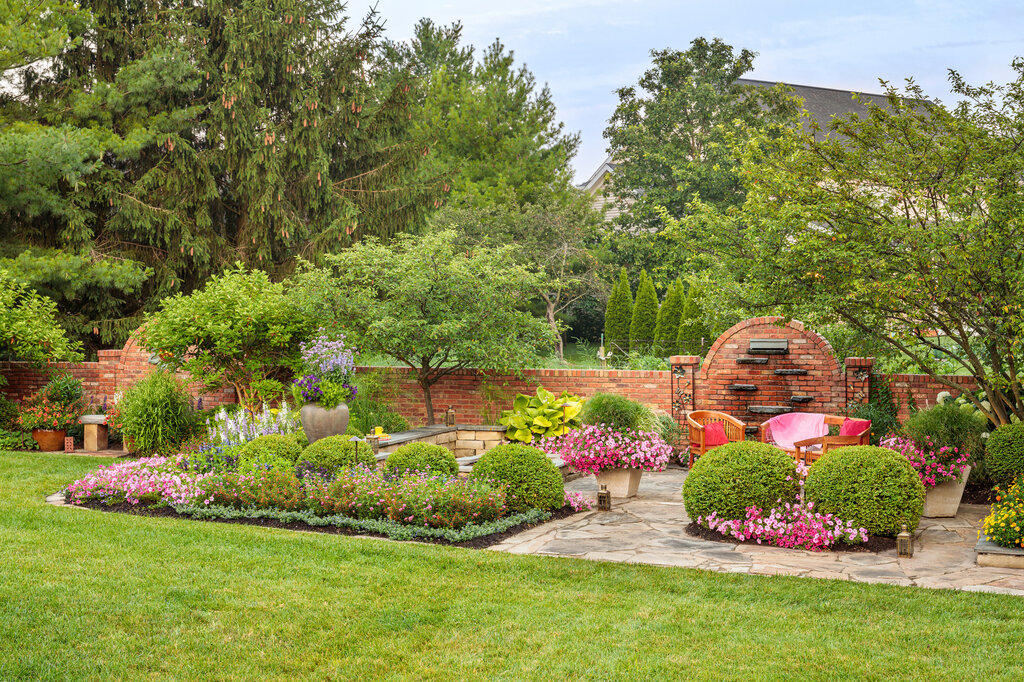
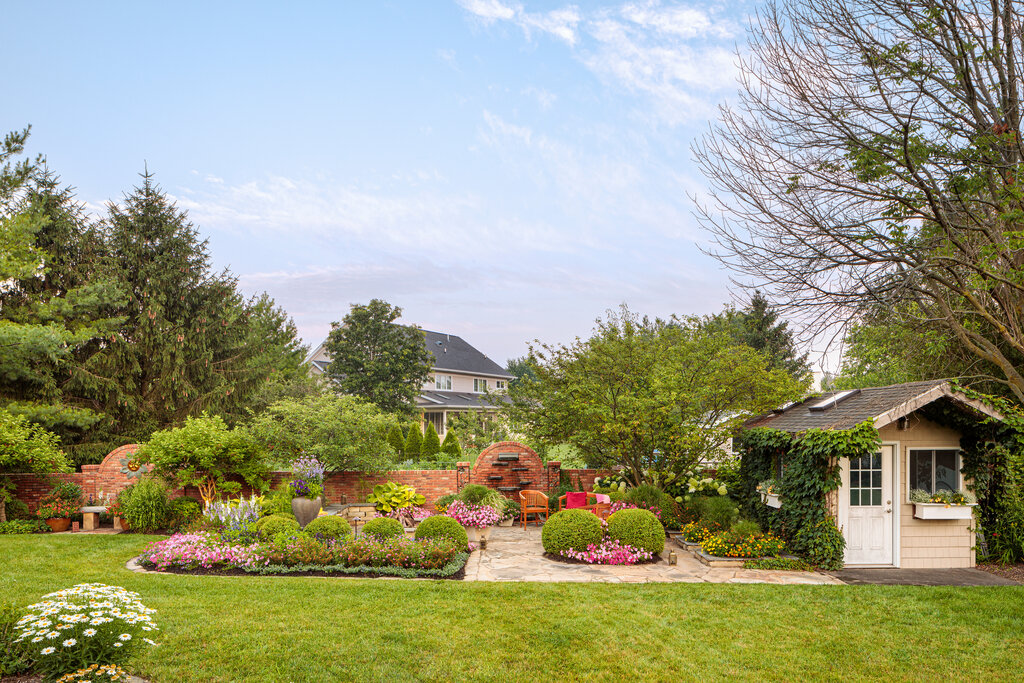
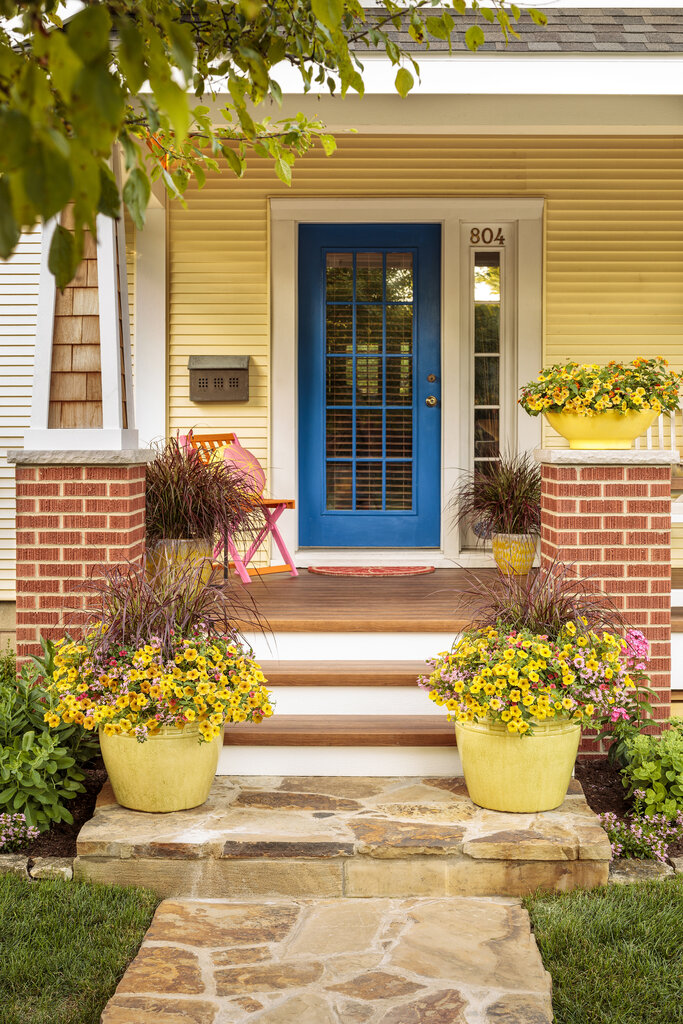
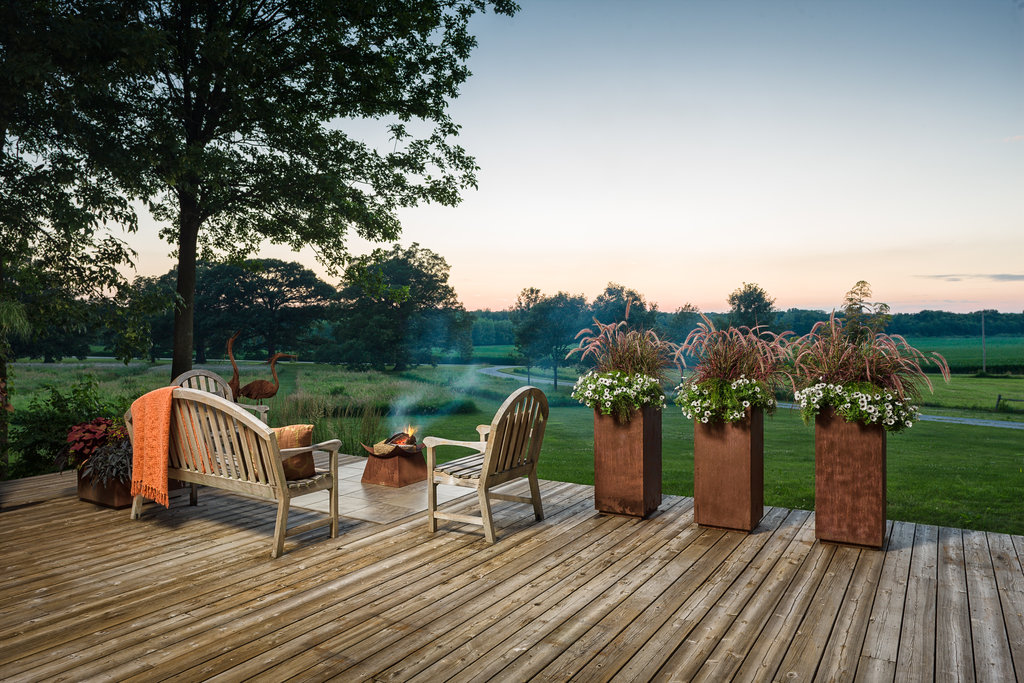
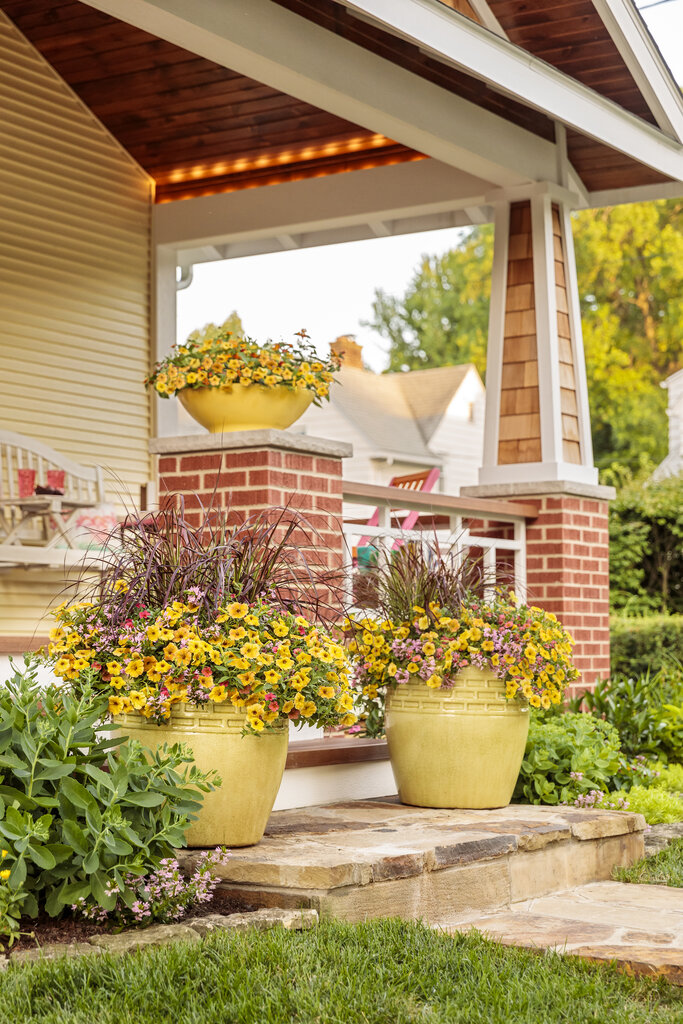
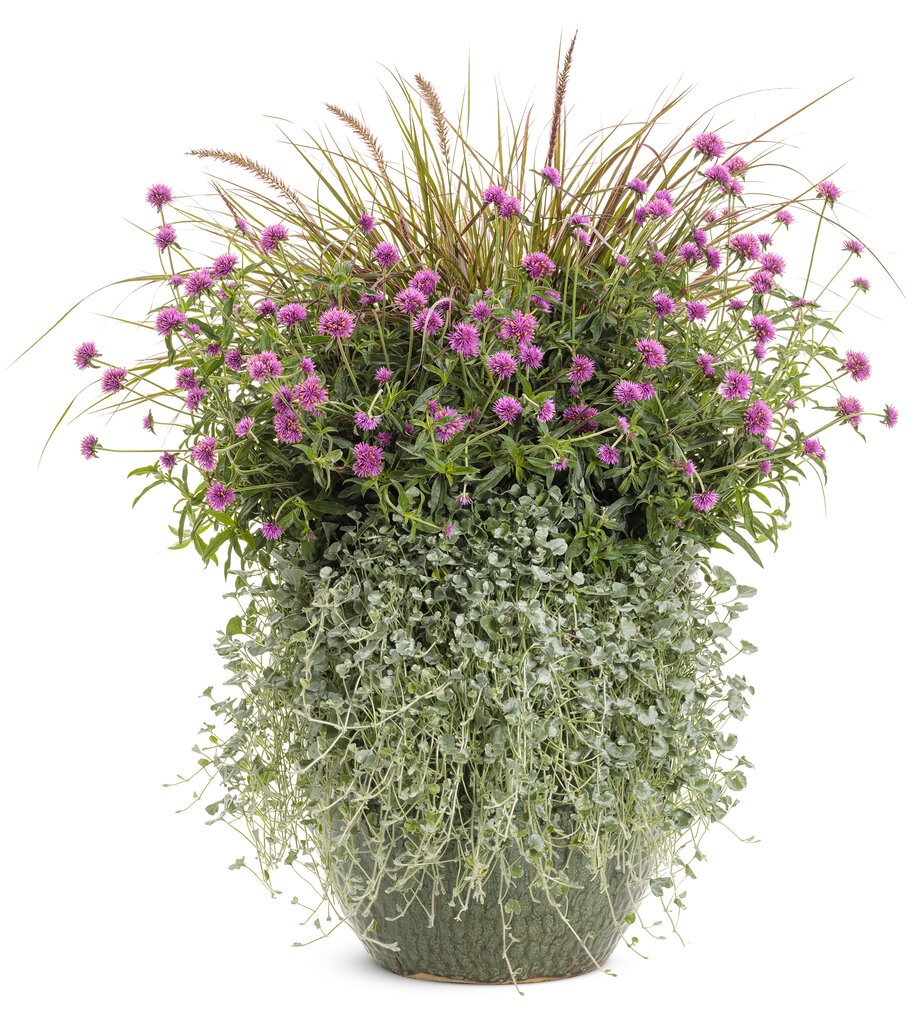
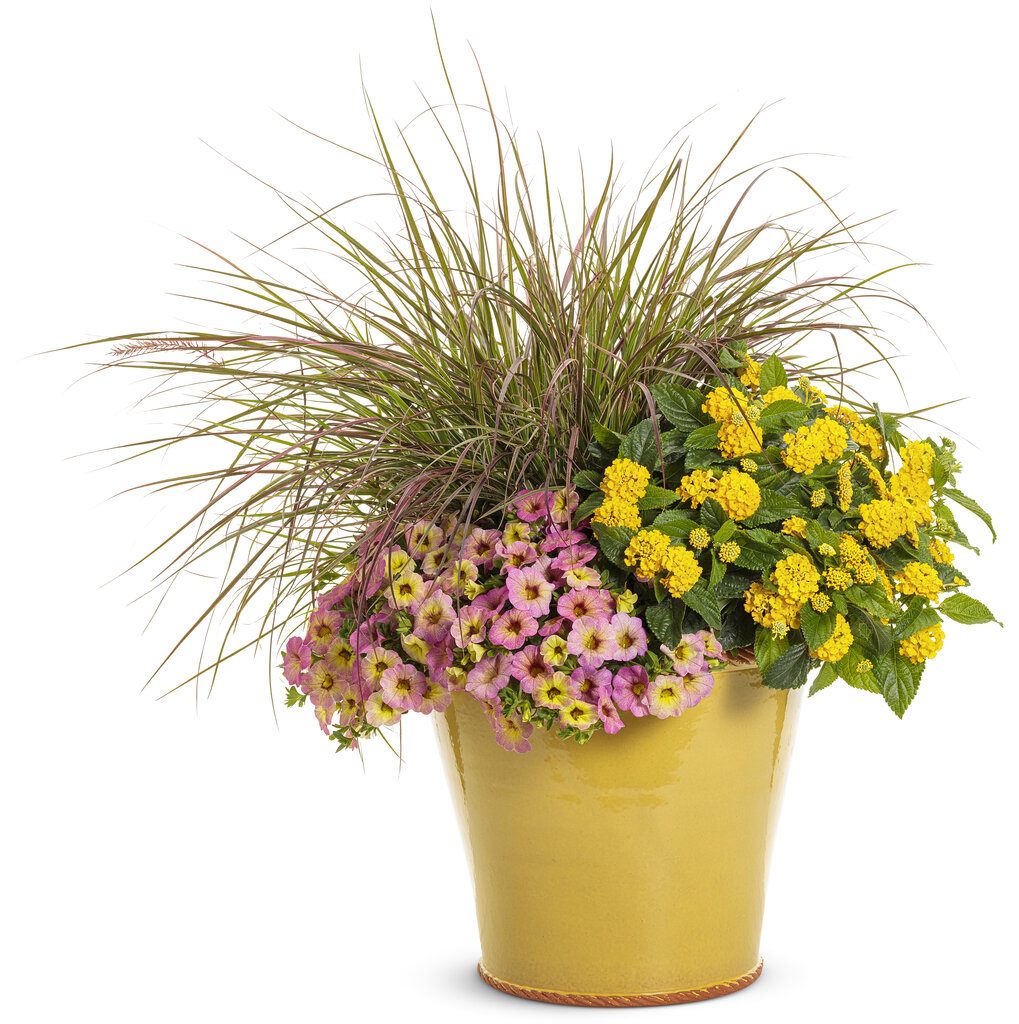
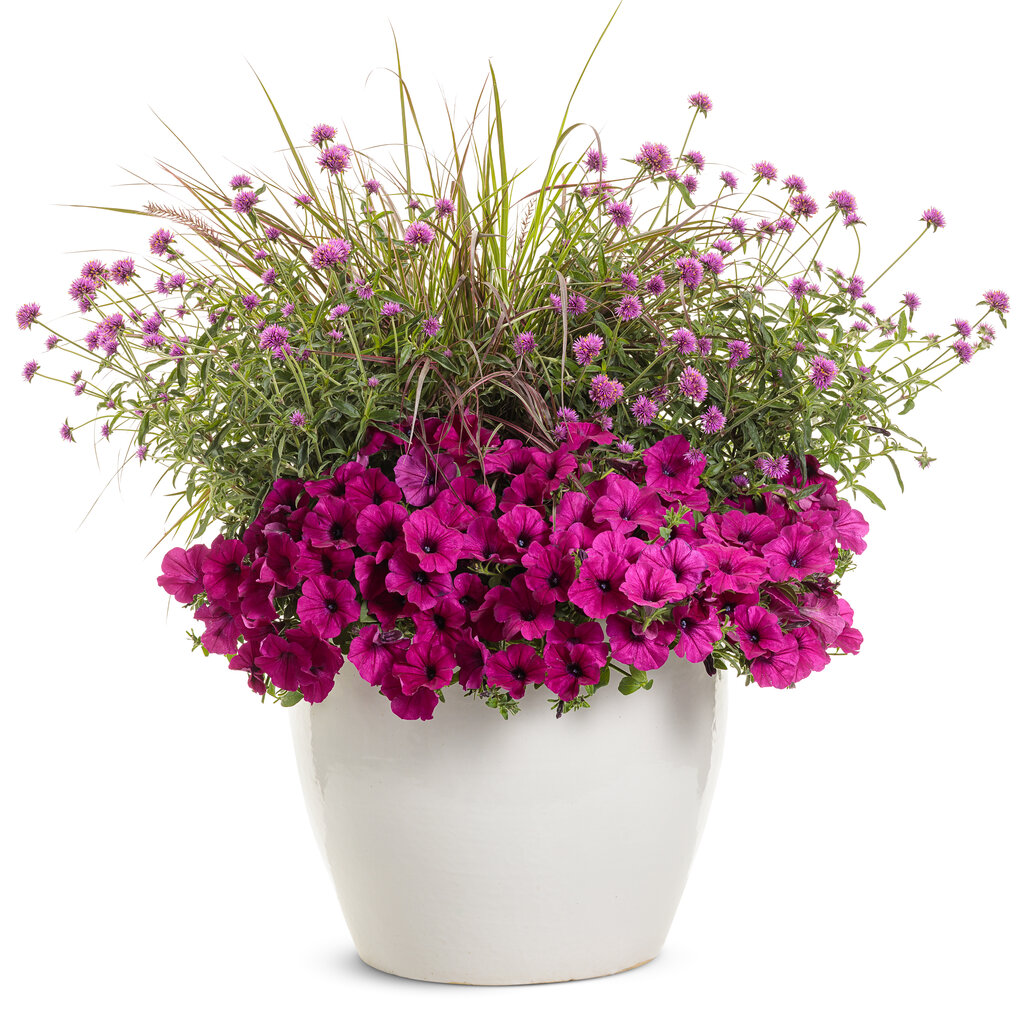
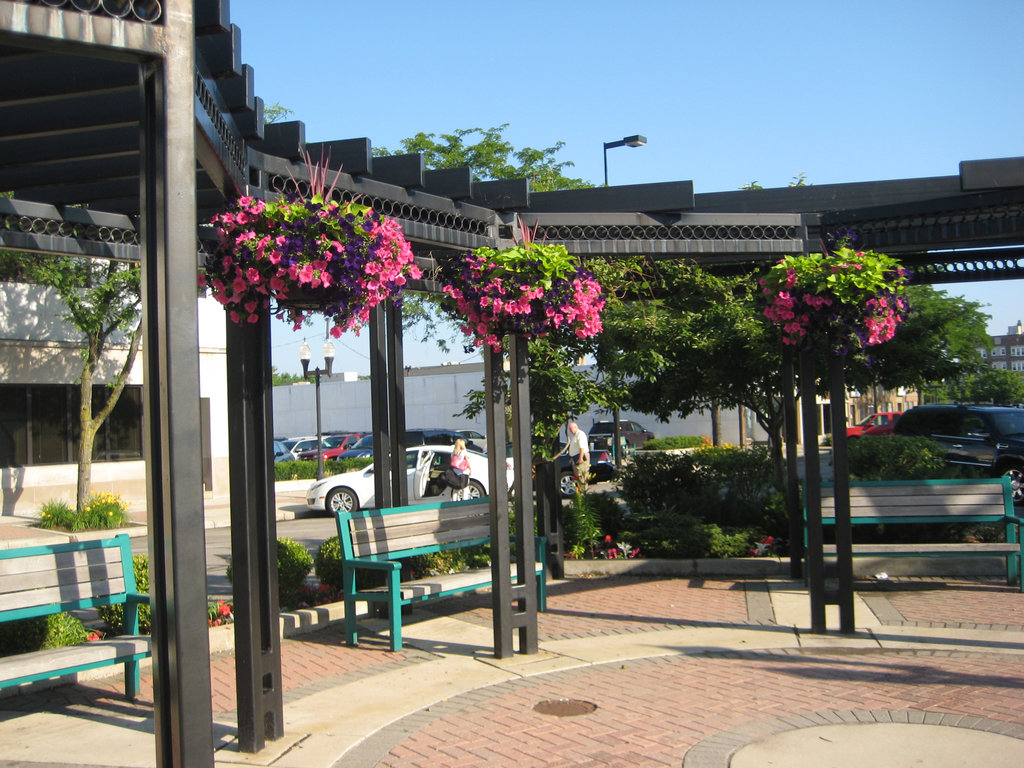
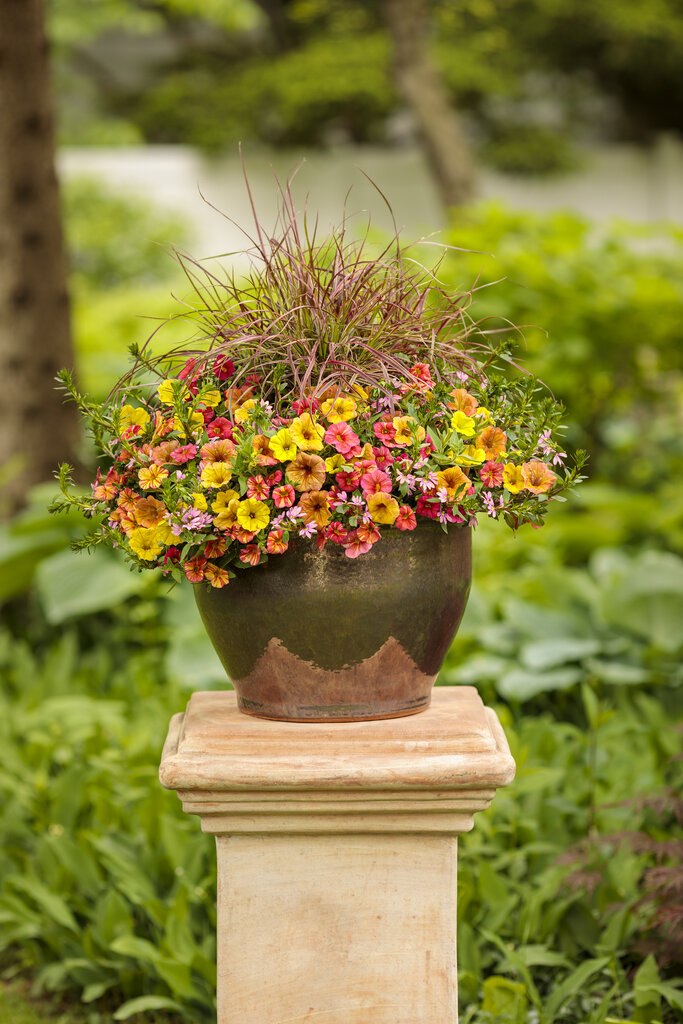
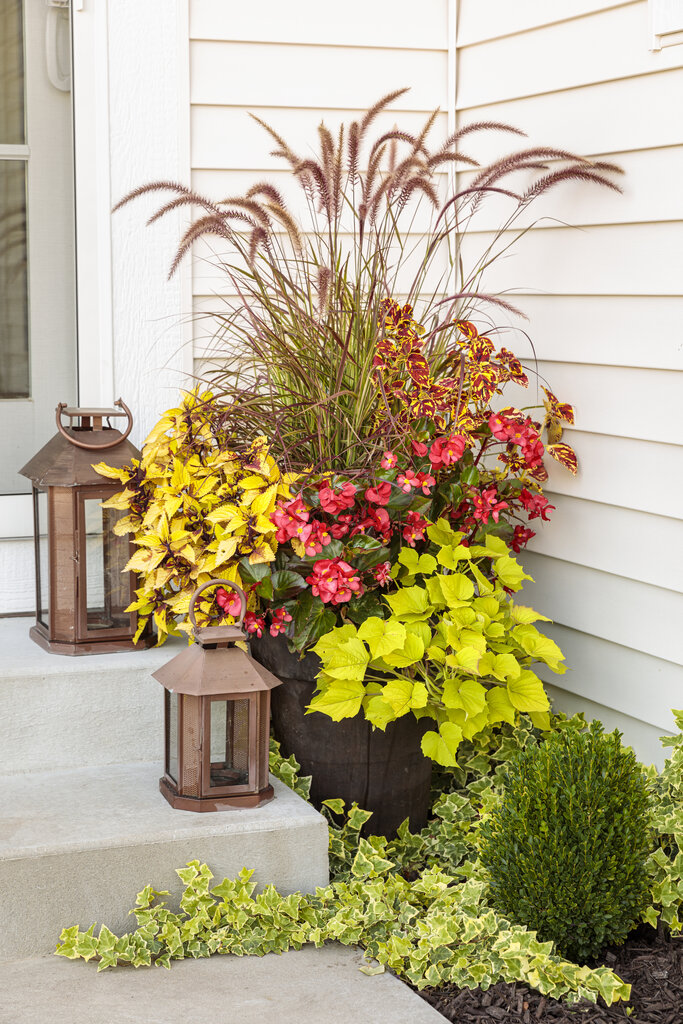
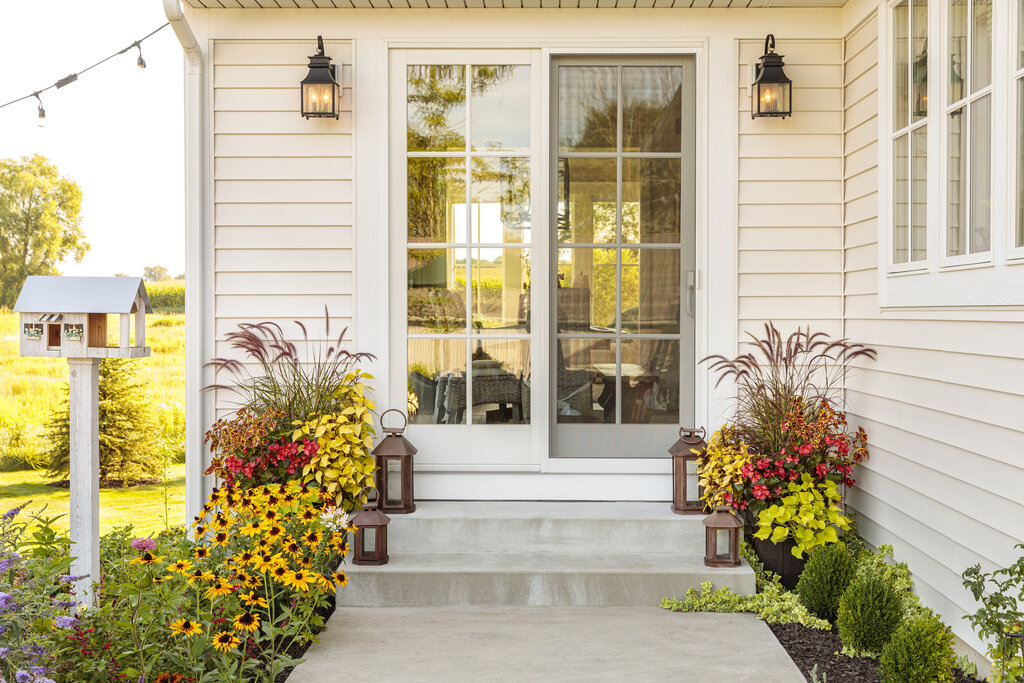
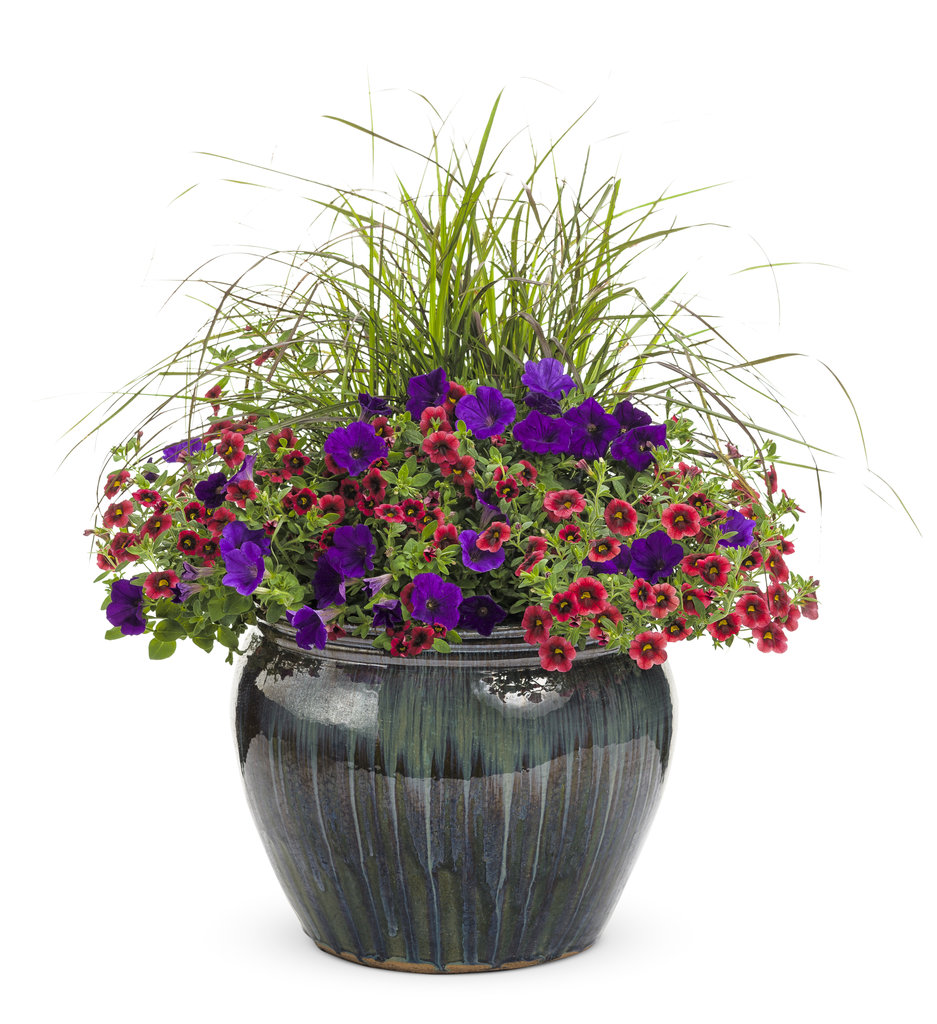
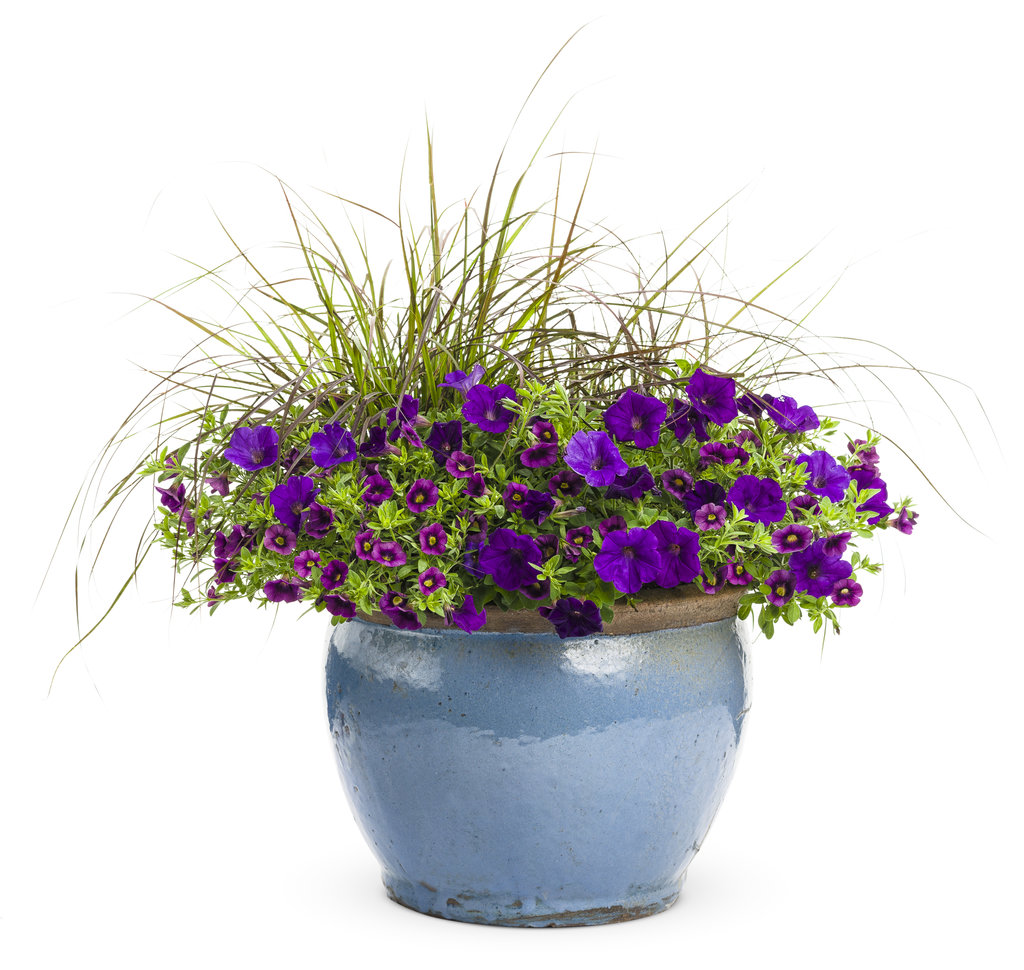
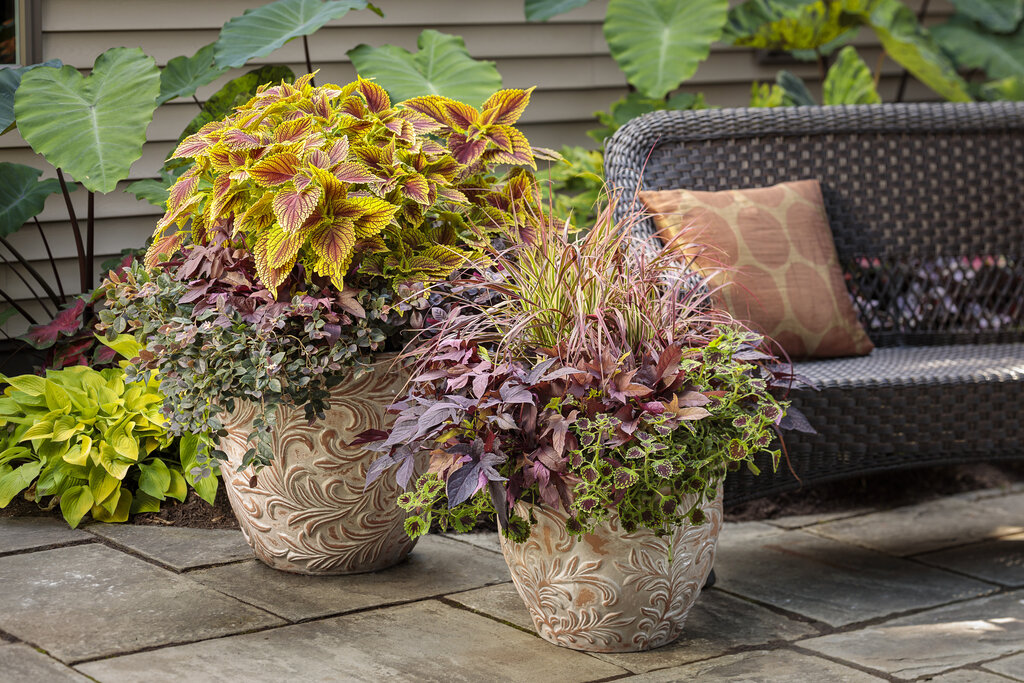
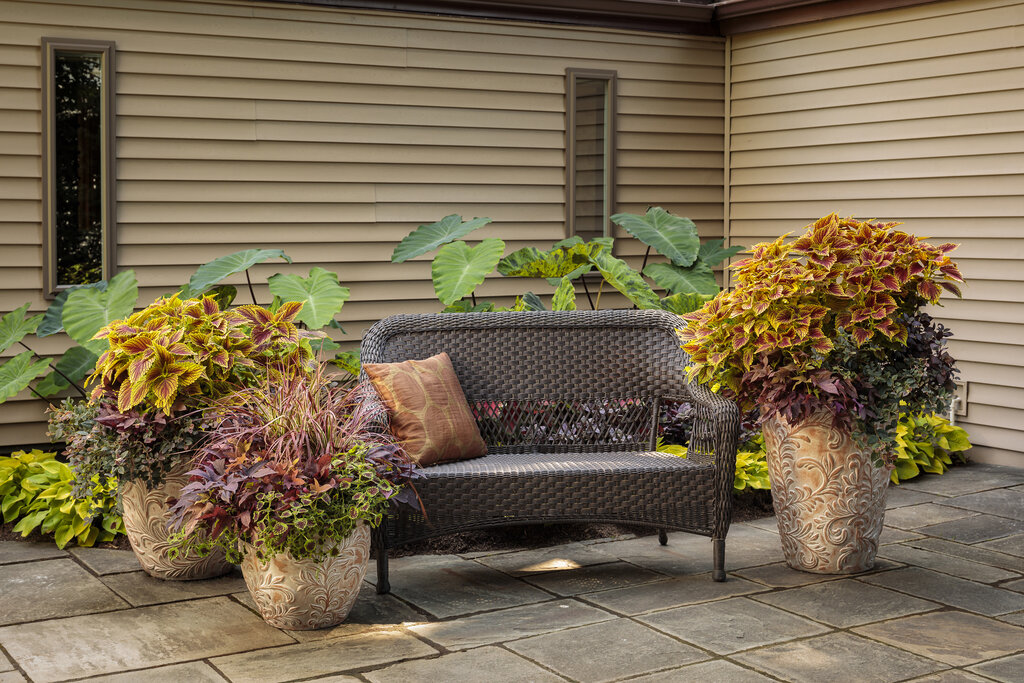
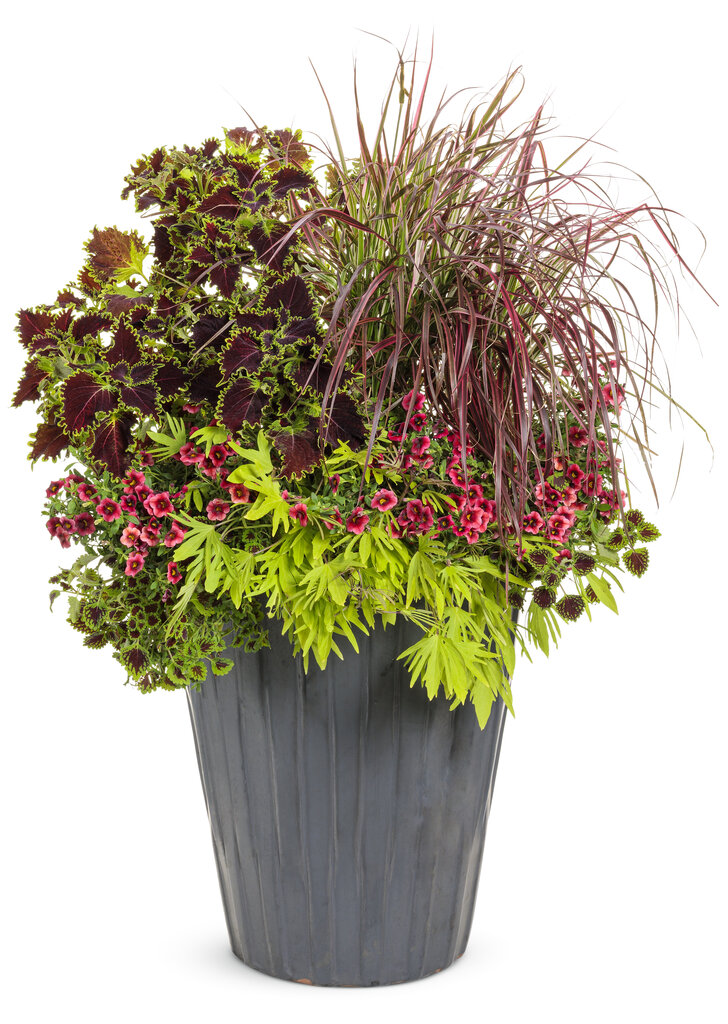
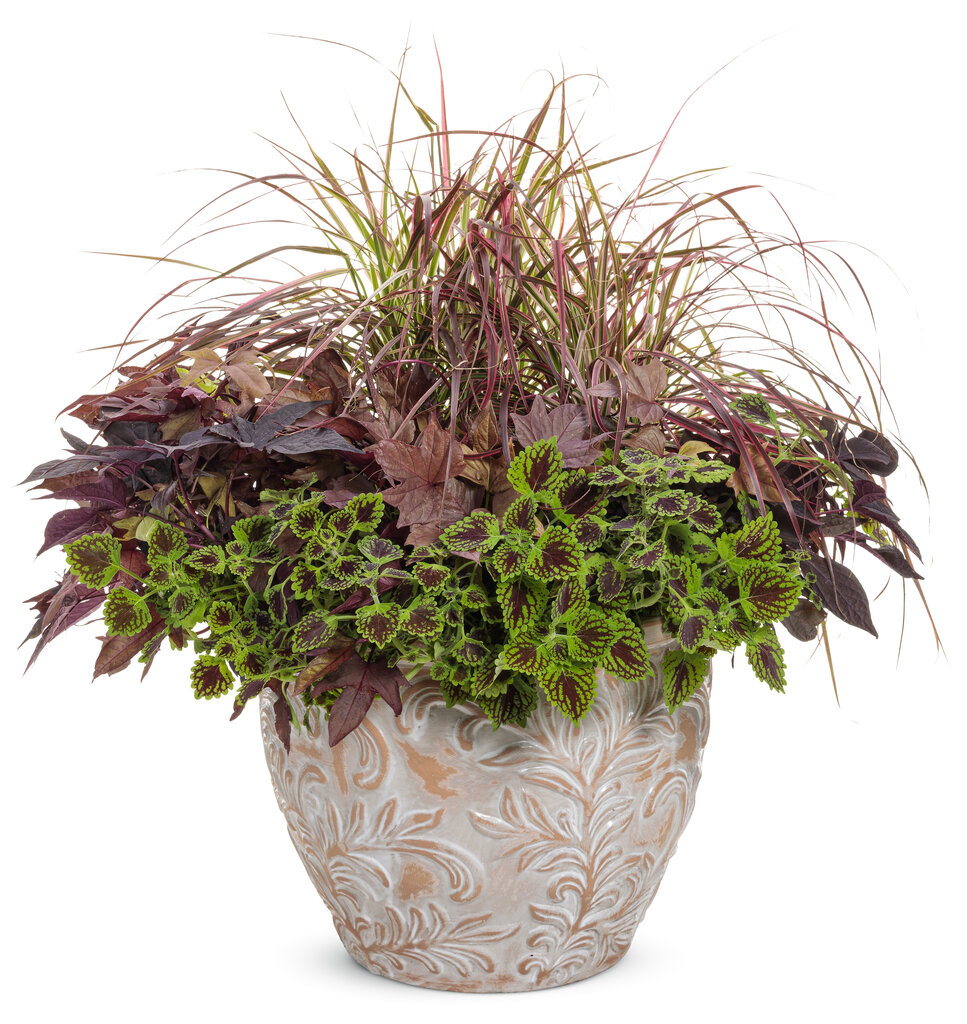
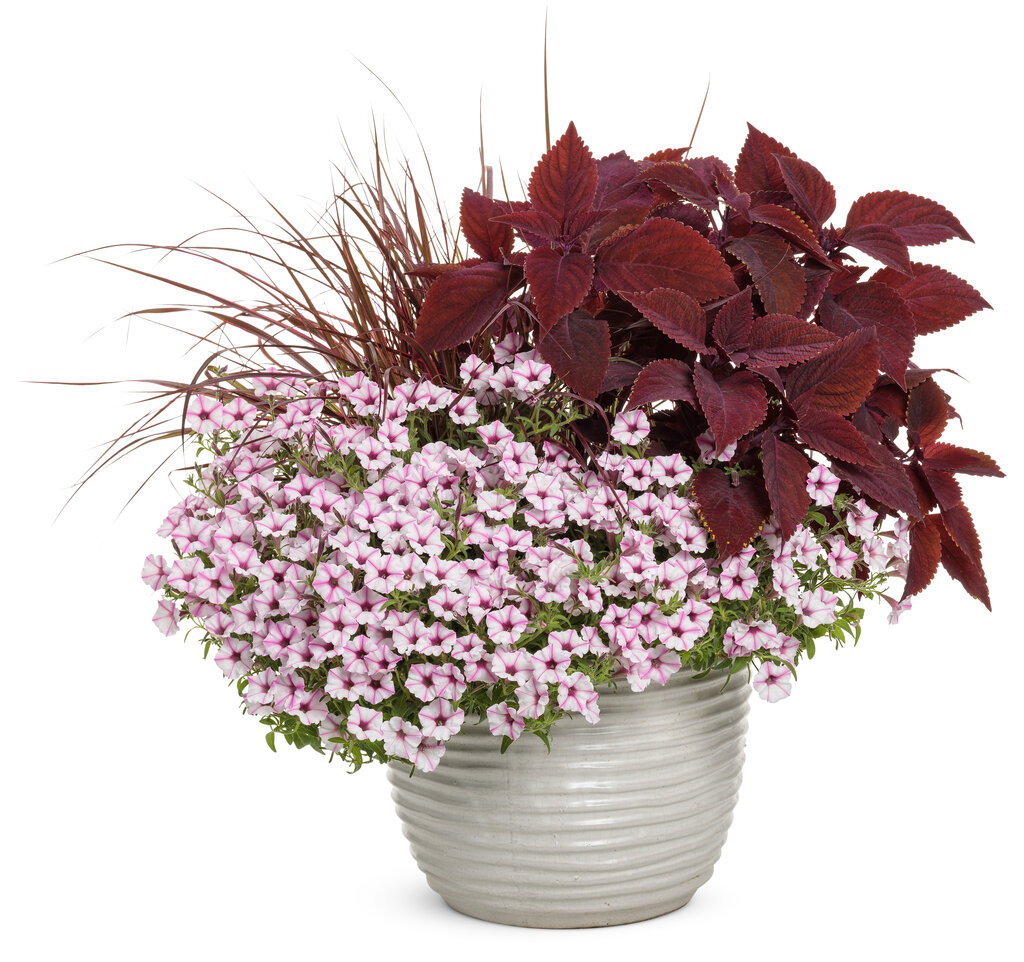
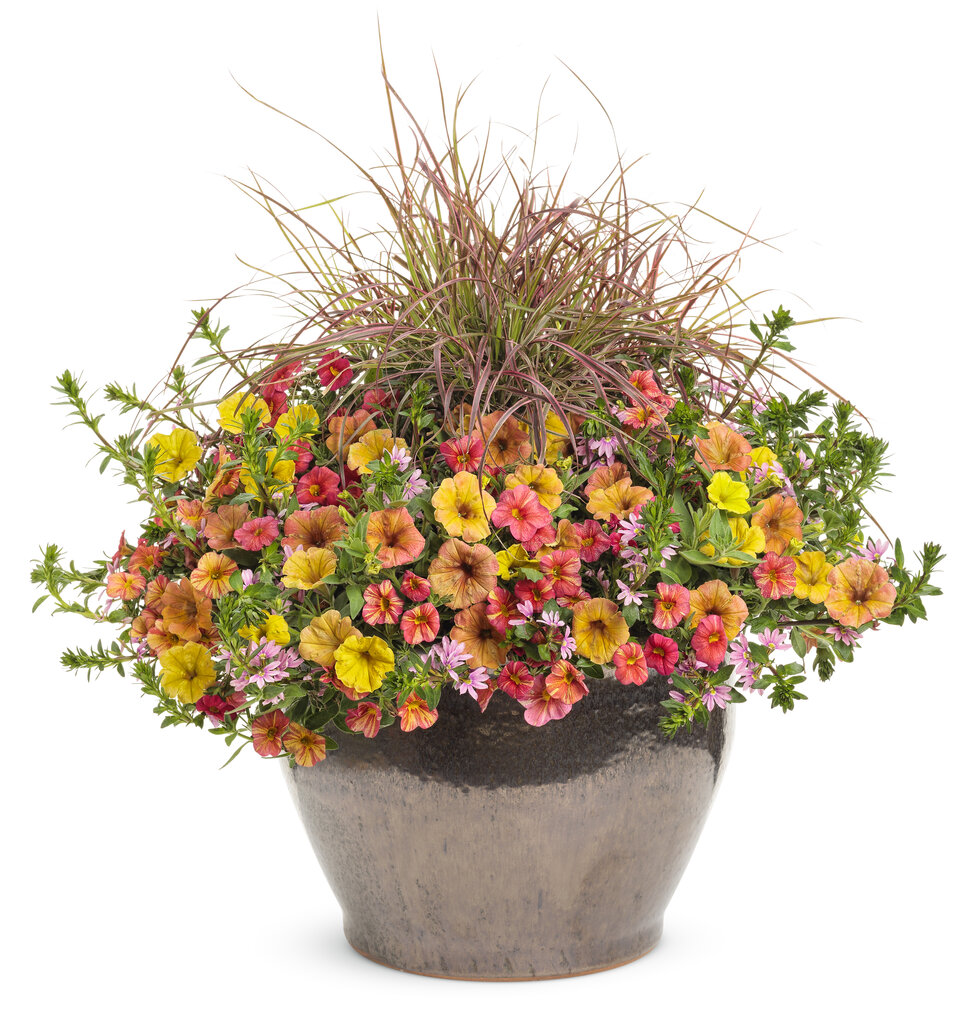
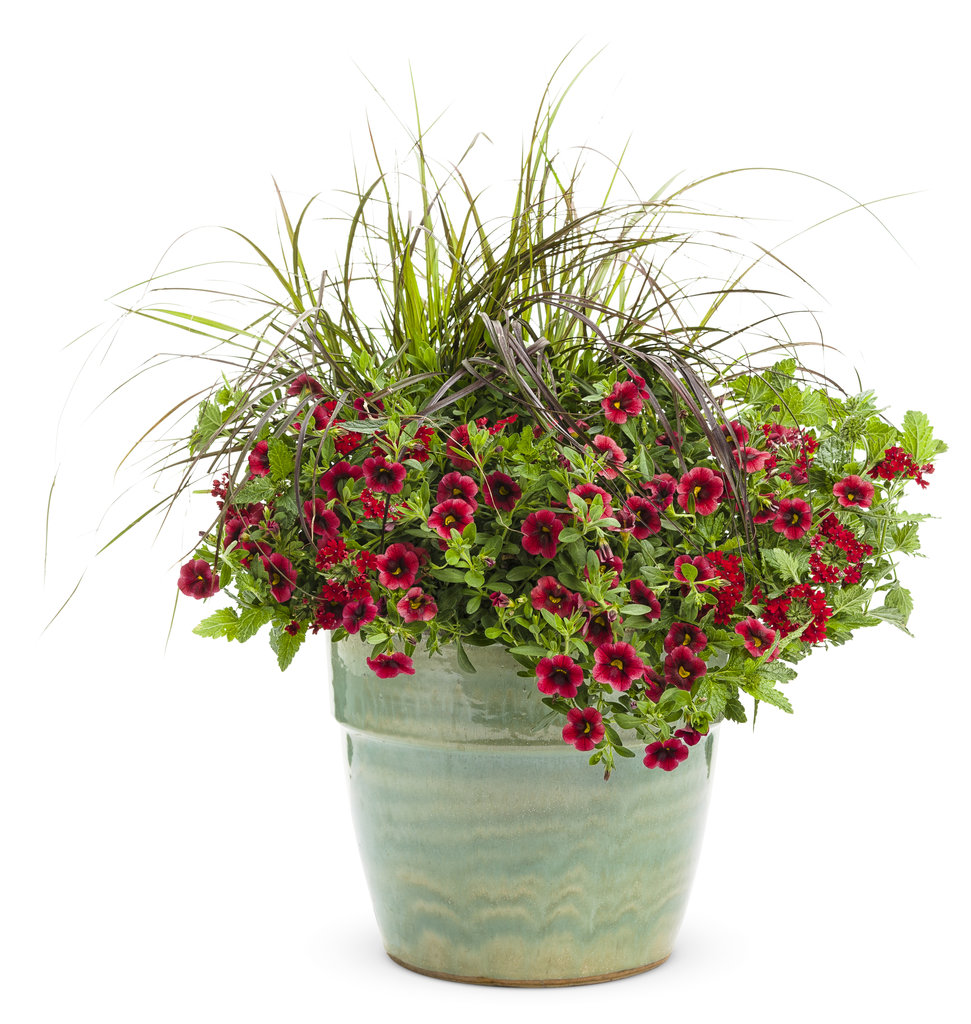
Great in beds, along walkways, and on patios, Fireworks fountain grass adds bold color and texture to any sunny space when learning how to grow fountain grass successfully. |
| Maintenance Notes |
Fireworks fountain grass is a warm season ornamental grass. Where temperatures get colder than 20 degrees F, the plants should be treated as annuals as part of proper fountain grass care. Once the grass turns brown it can either be removed immediately or removed in the spring. It should not be expected to live through the winter and begin growing again in the spring. In areas where winter temperatures remain above 20 degrees it should be considered a perennial and the following information should be useful for how to grow fountain grass correctly. Warm-season grasses won't start growing until mid to late spring or even early summer. Their major growth and flowering happens when the weather is hot. Fireworks fountain grass will usually turn shades of brown for the winter, which is typical of a warm season ornamental grass. Cut back warm season grasses in fall or by mid to late spring as part of routine fountain grass care. Warm season grasses turn shades of brown as the weather turns colder. Once your warm season grasses turn brown you can trim them back at almost any time. If you like to tidy your garden in fall or if you live in an area where fire can be problematic trim warm season grasses so they are just a few inches tall. If you live in an area where fire generally isn't a problem you can leave the dried grasses and seed heads in your garden for winter interest. Snow or ice-encrusted ornamental grasses like Fireworks fountain grass can be quite beautiful. If you leave the trimming until spring try to make sure to cut them back to the ground (you can leave a couple of inches) by late spring, before new growth begins, which supports healthy fountain grass care practices. Not all ornamental grasses look good through the winter, trim back those that don't look good in the fall. Divide warm season grasses anytime spring through mid-summer when practicing how to grow fountain grass properly. All ornamental grasses should be divided when they are actively growing but not while they are flowering. If the plants are dormant when they are transplanted they won't establish a good root system. Warm season grasses generally start growing in late spring or early summer and have their active growth period during the heat of the summer, typical of a warm season ornamental grass. Warm season grasses will tend to bloom in mid to late summer. |
| 2018 | Top Performer - University of Minnesota - Morris |
| 2013 | Excellent - Boerner Botanical Garden |
| 2013 | Outstanding - Warm Season - Disney |
| 2011 | Top Performer - Kansas State University |
| 2011 | Top Performer - Kansas State University |
| 2009 | Classic City Award - University of Georgia |
| 2009 | Classic City Award - University of Georgia |
| 2009 | Classic City Award - University of Georgia |